
Plan Your Perfect Visit to Ljubljana with Expert Answers to All Your Essential Questions
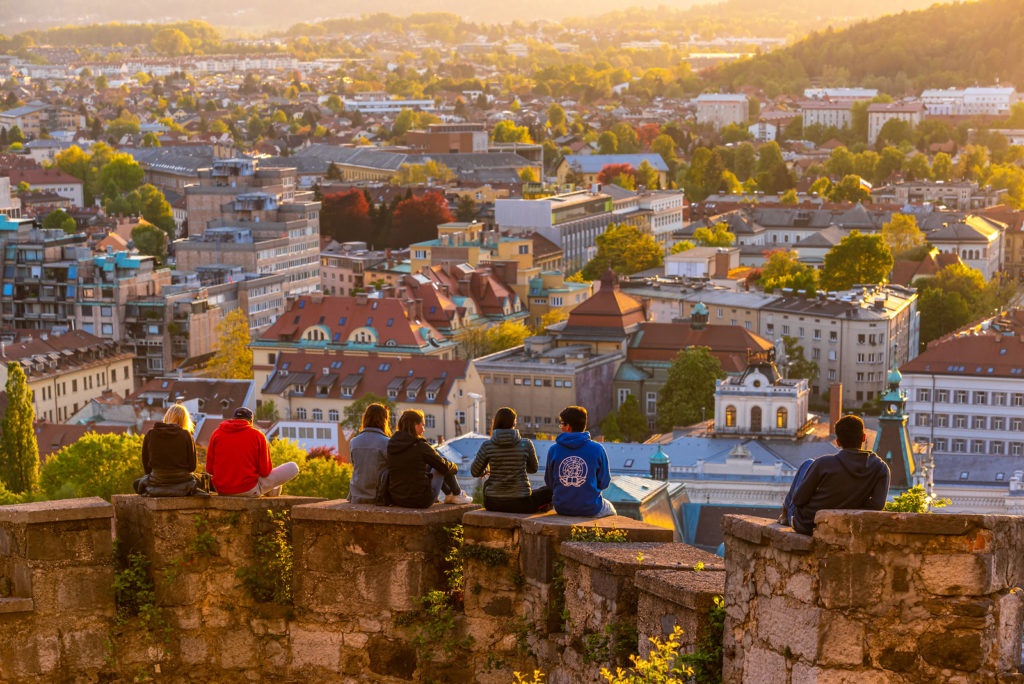
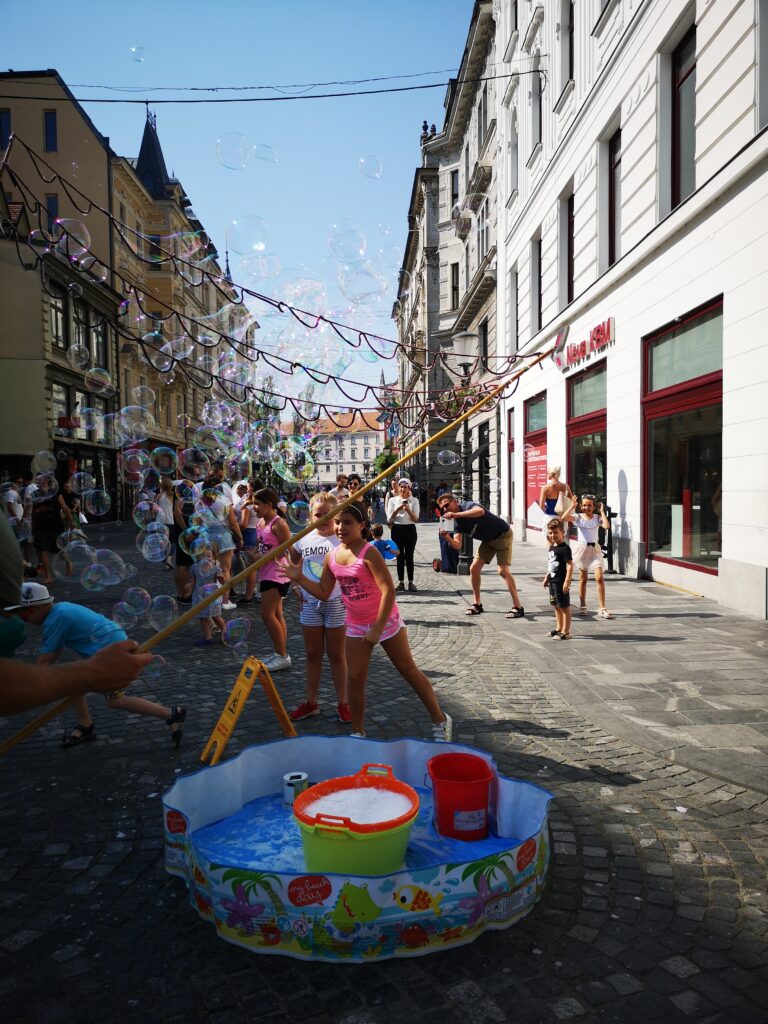
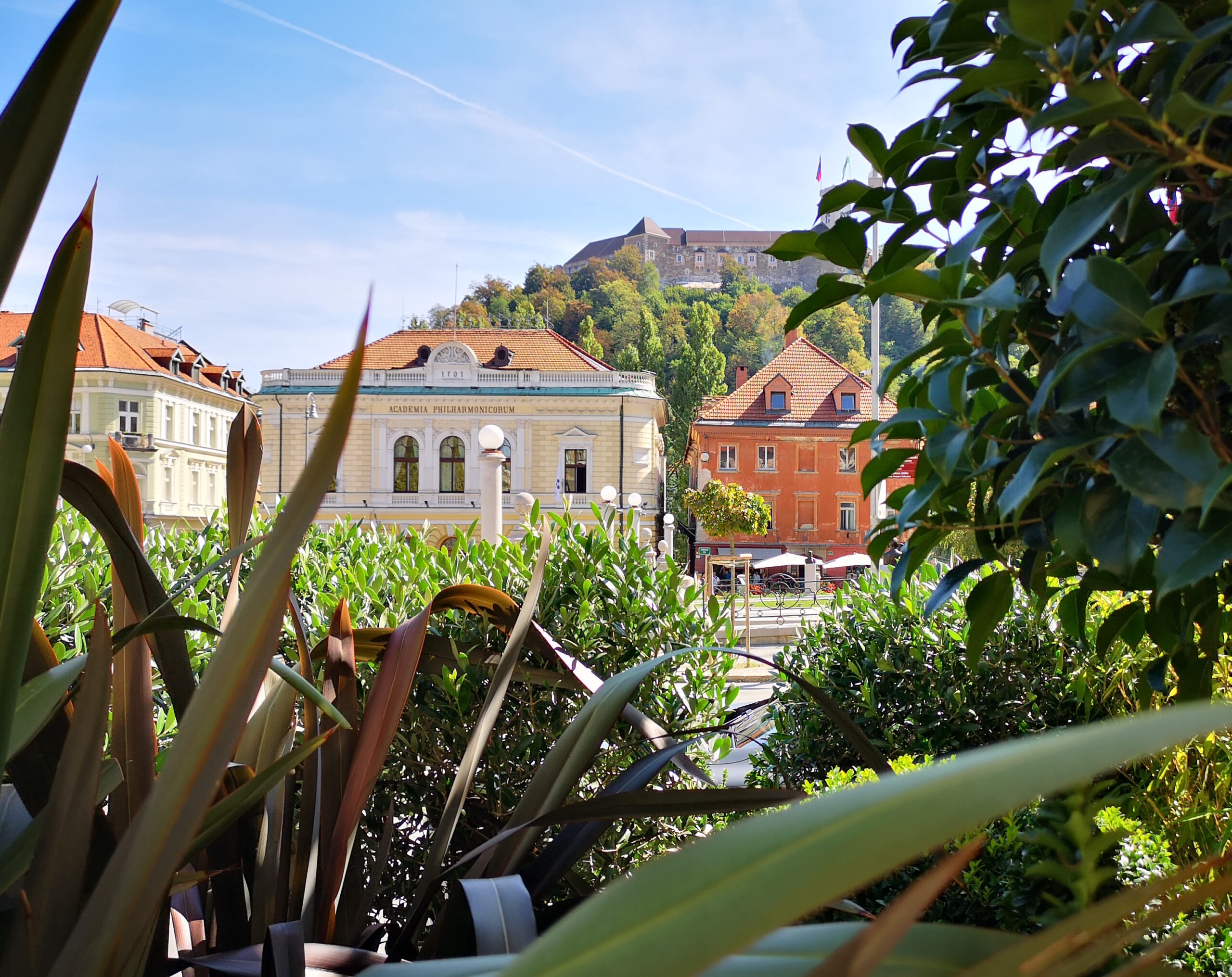
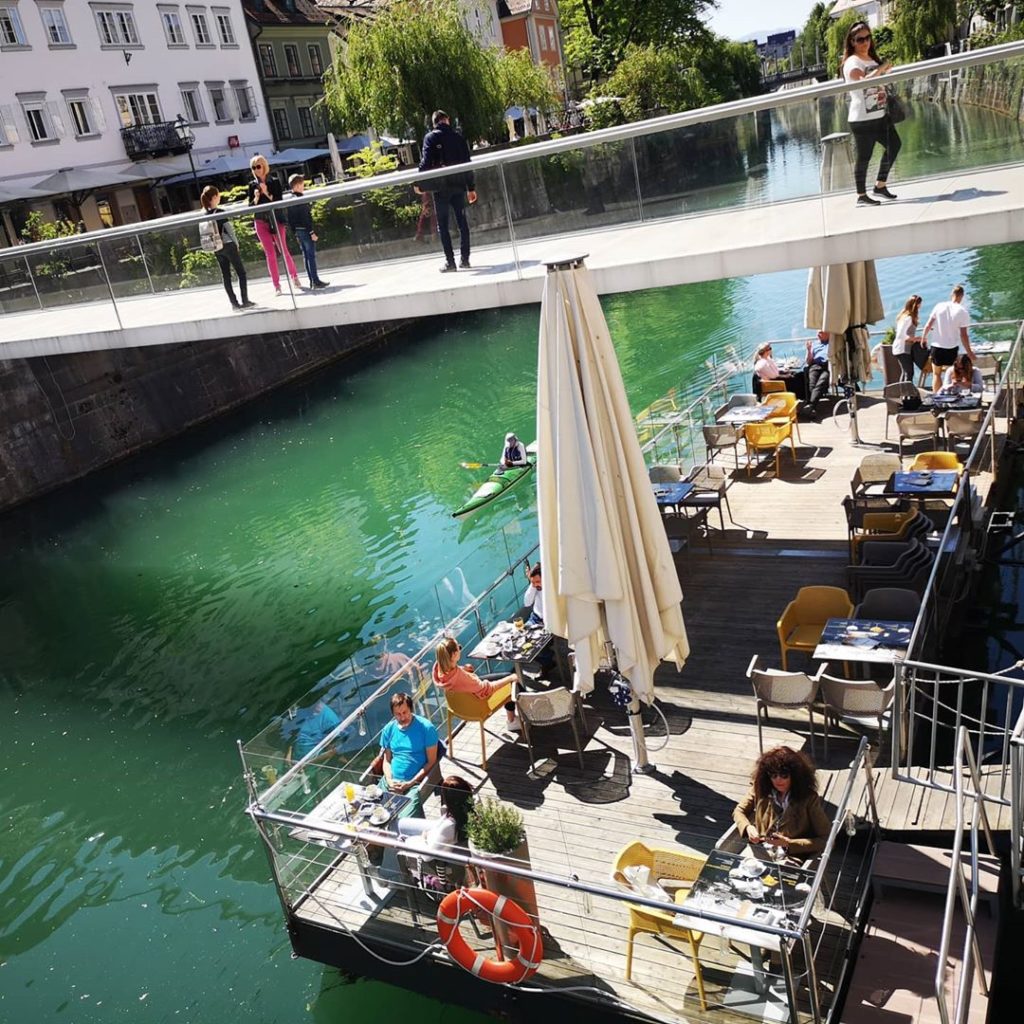
Ljubljana is one of those European capitals that instantly feels relaxing. The historic centre is small, pedestrian-friendly and full of terraces along the Ljubljanica river. You can cross the city on foot, climb up to the castle for a panoramic view and spend hours enjoying cappuccinos.
But Ljubljana is also the perfect base for exploring Slovenia. In less than an hour, you can reach alpine lakes, vineyards, caves or the Adriatic coast.
Here is everything you need to plan a perfect trip to Ljubljana in 2, 3 or 4 days.
After more than ten years living here, I’ve written this guide to answer the questions travellers ask most often:
- Is a weekend enough to visit Ljubljana?
- How much does a trip cost?
- What should you pack?
- When is the best time to visit?
The Best Time to Visit Ljubljana
As a Ljubljana resident, I’ve come to love how the city’s vibe transforms with each season, adding unique character to every visit. Ideally, plan your trip when the terraces of the pedestrian-friendly city center are buzzing with activity.
The best months to catch this lively ambiance are from early April to mid-October—or even late October, as warmer days tend to linger with the effects of climate change.
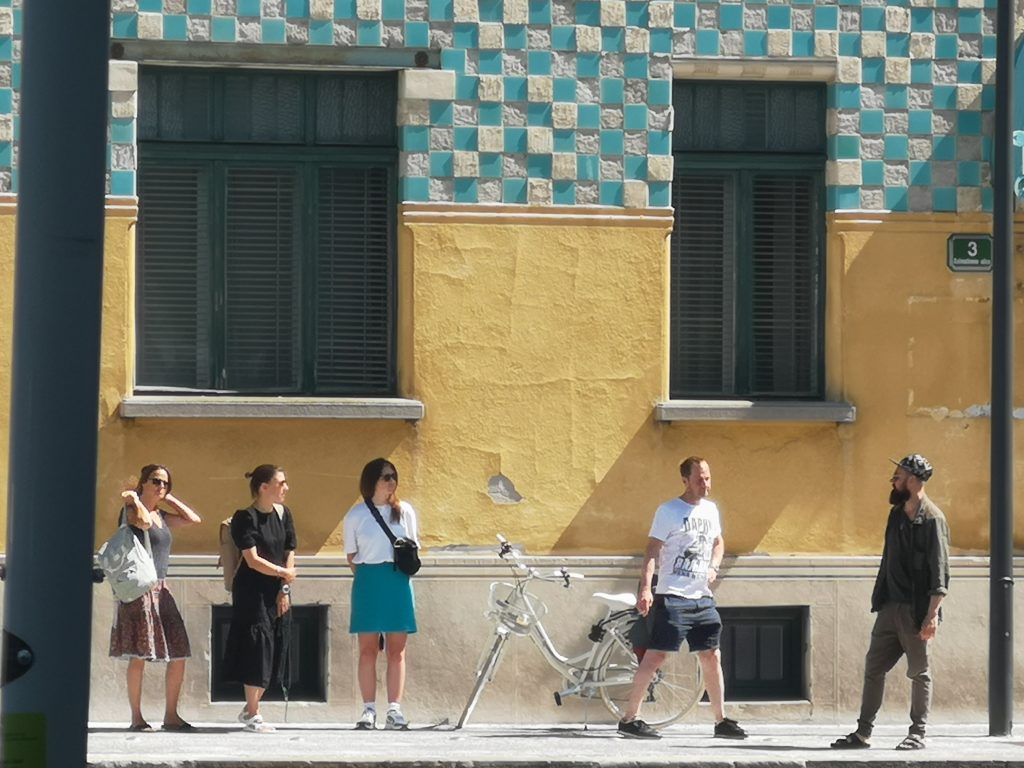
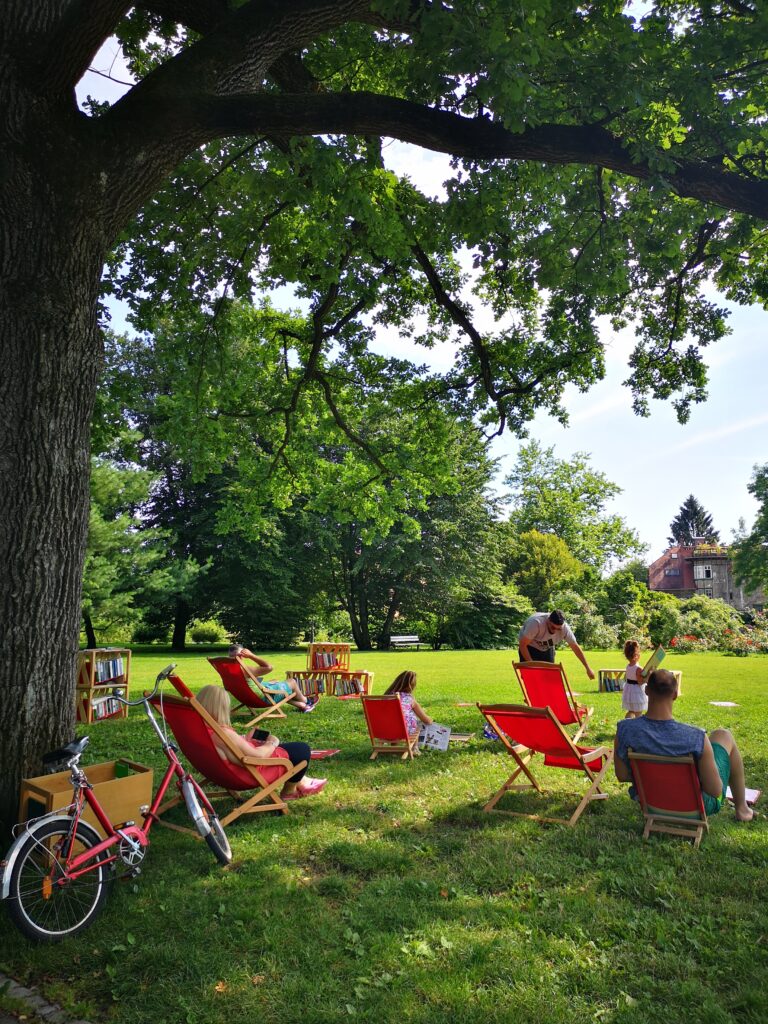
My favourite months here are June and September, especially as the city comes alive with :
- numerous free festivals, featuring concerts of all sizes every evening
- open-air films
- a whole host of other sometimes surprising events (beach volleyball in the water with a pitch on the river, brilliant school shows, kayak slalom competitions, etc.).
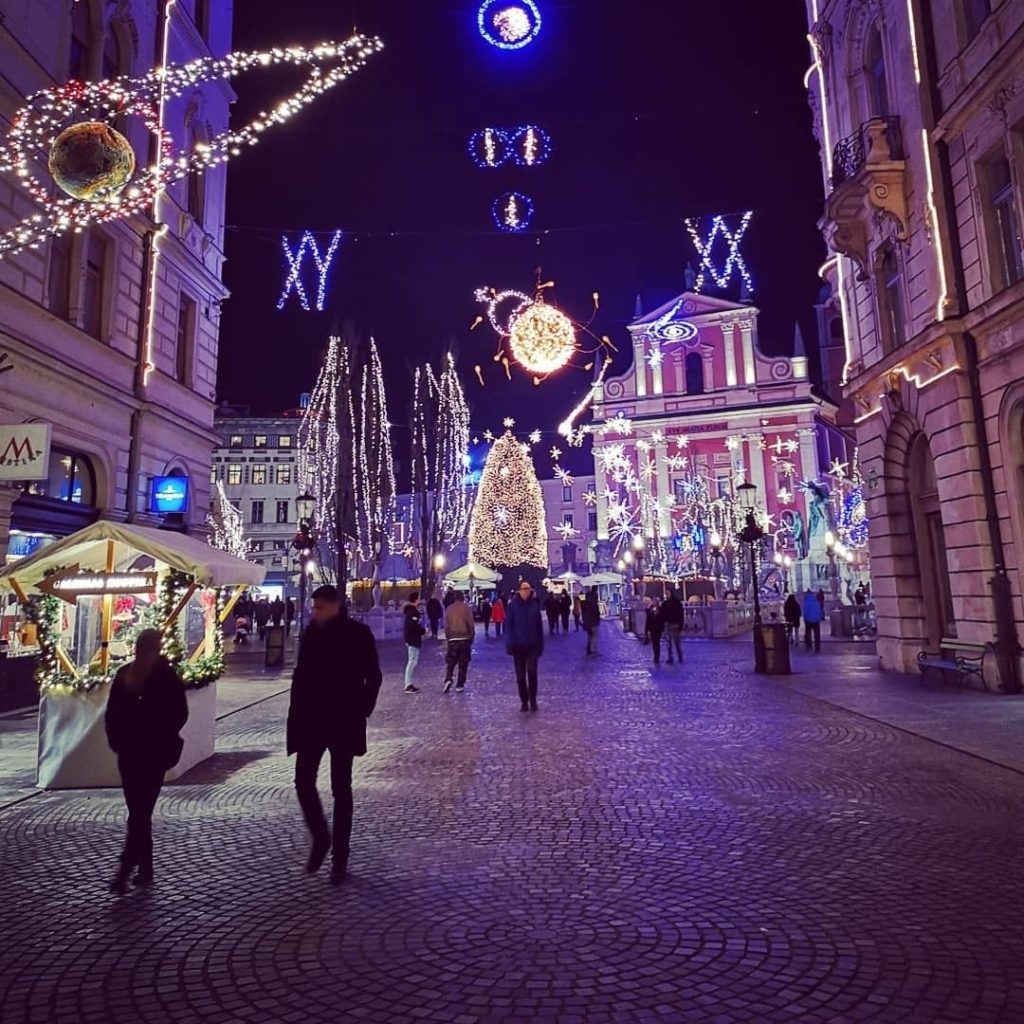
A little-known tip: come to Ljubljana in December. You’ll experience an incredibly lively Christmas market. You’ll discover a lively, joyful and magical atmosphere.
In the heart of winter: In my opinion, it’s best to avoid spending your entire stay in Ljubljana and stay in the beautiful Slovenian mountains. I think that the Slovenian mountains will be more pleasant in January or February than a city trip to Ljubljana. During this winter period, you can also warm up in the thermal baths in the east of the country.
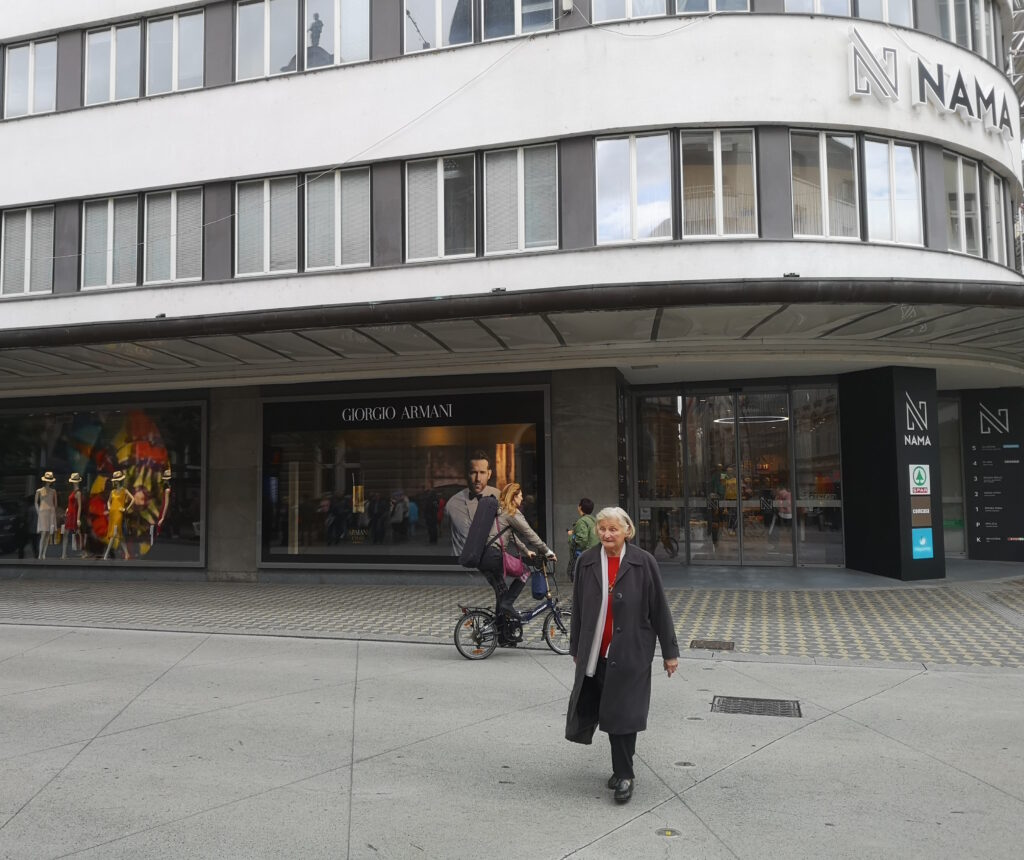
November, don’t come: I try to give you really good advice on this blog and I don’t really recommend November. For this period, I think it’s more pleasant to head for southern Europe than Slovenia (Portugal, Greece, Albania, Montenegro…).
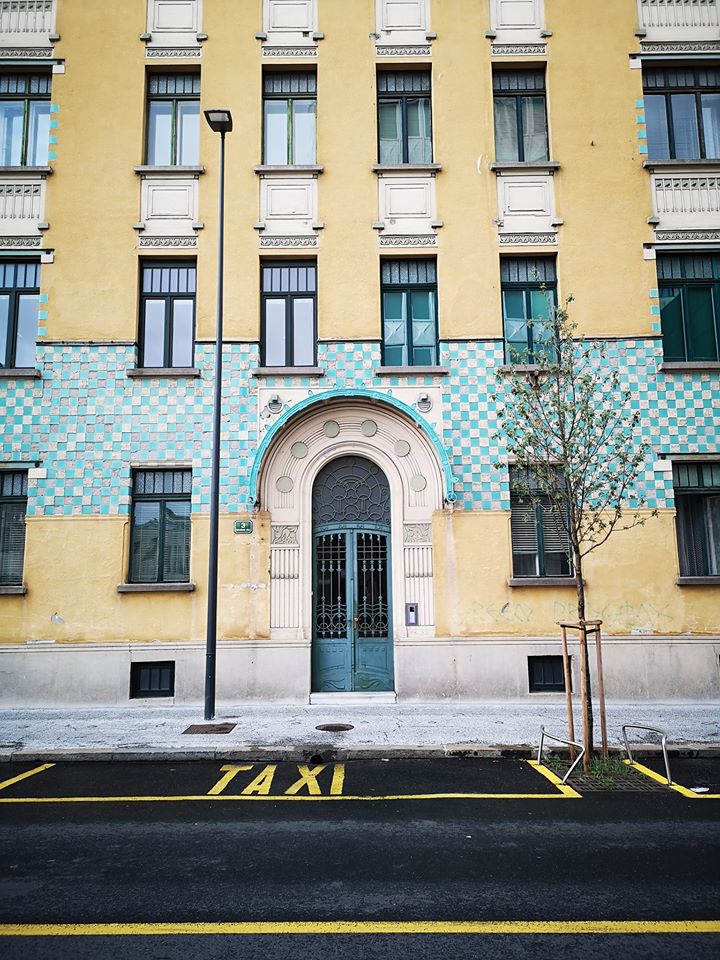
Viennese Secession art nouveau is everywhere in Ljubljana
Is a Weekend Enough to Visit Ljubljana?
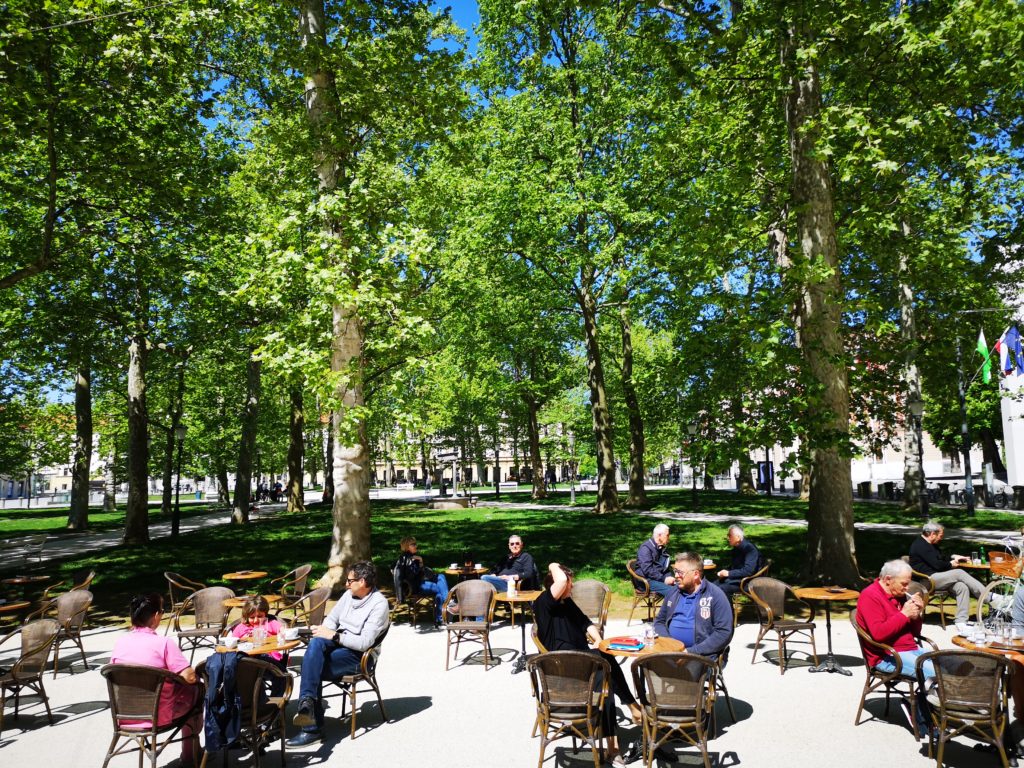
A weekend is enough to enjoy the Slovenian dolce vita, rest, relax and get a taste of the quality of life in Slovenia, but you’ll be a long way from having discovered Slovenia, as this tiny country has many facets.
Worth knowing: You can easily visit a large part of the country from Ljubljana.
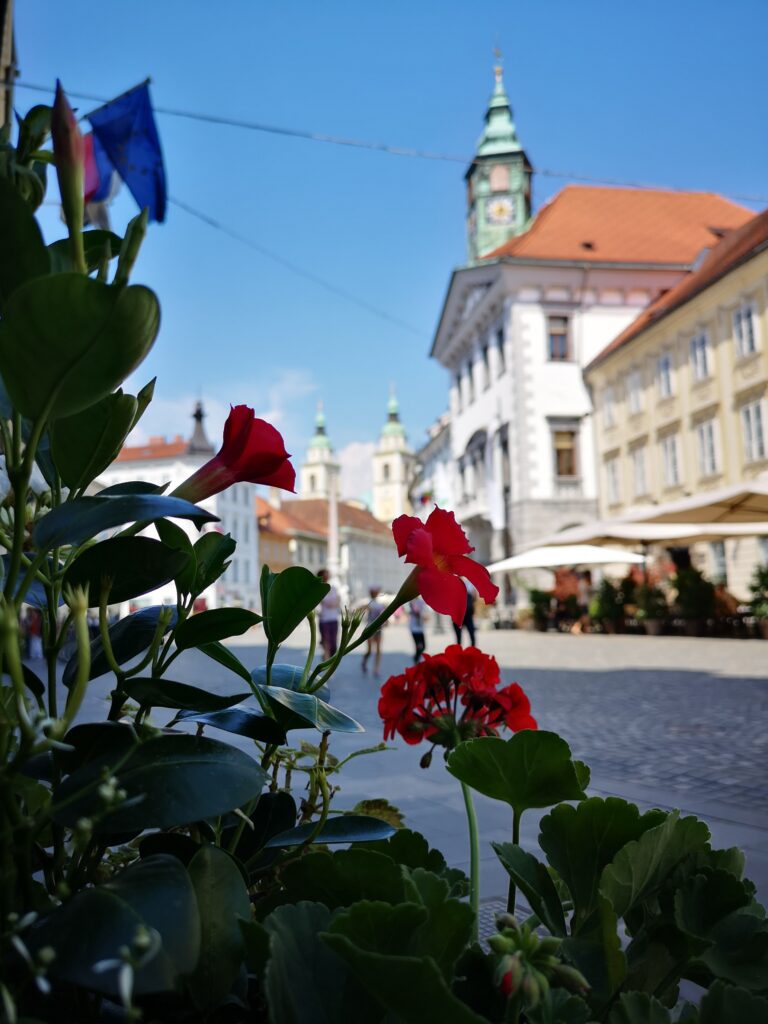
Come for as long as possible: If you have days off to take, use them to turn your weekend into a long weekend or, better still, a week’s holiday.
Come to Slovenia for as long as possible!
Even after more than ten years here, I’m still not bored and I’m still discovering new and amazing places. This country is incredibly rich in experiences.
Cheap Flights to Ljubljana: A Smart Tip
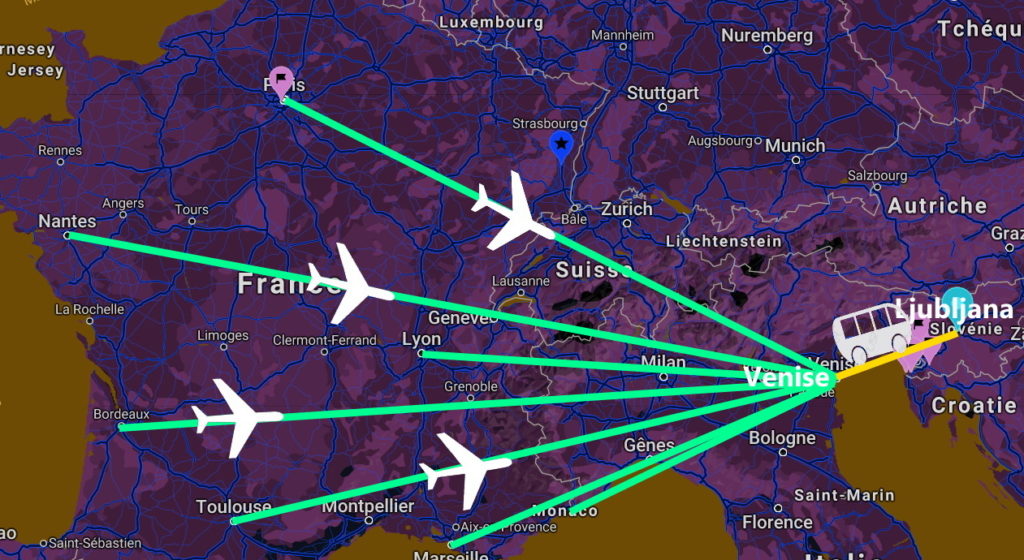
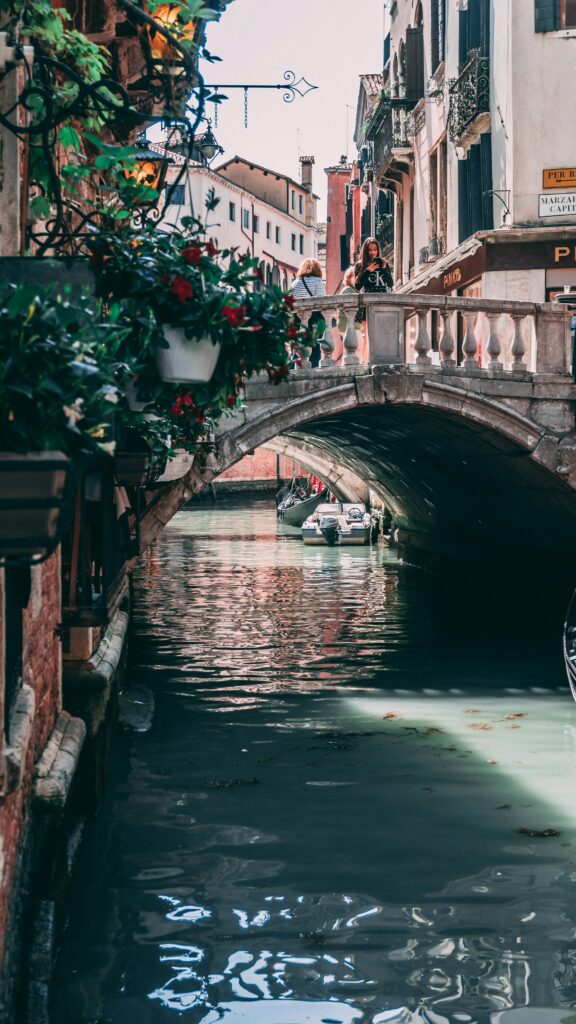
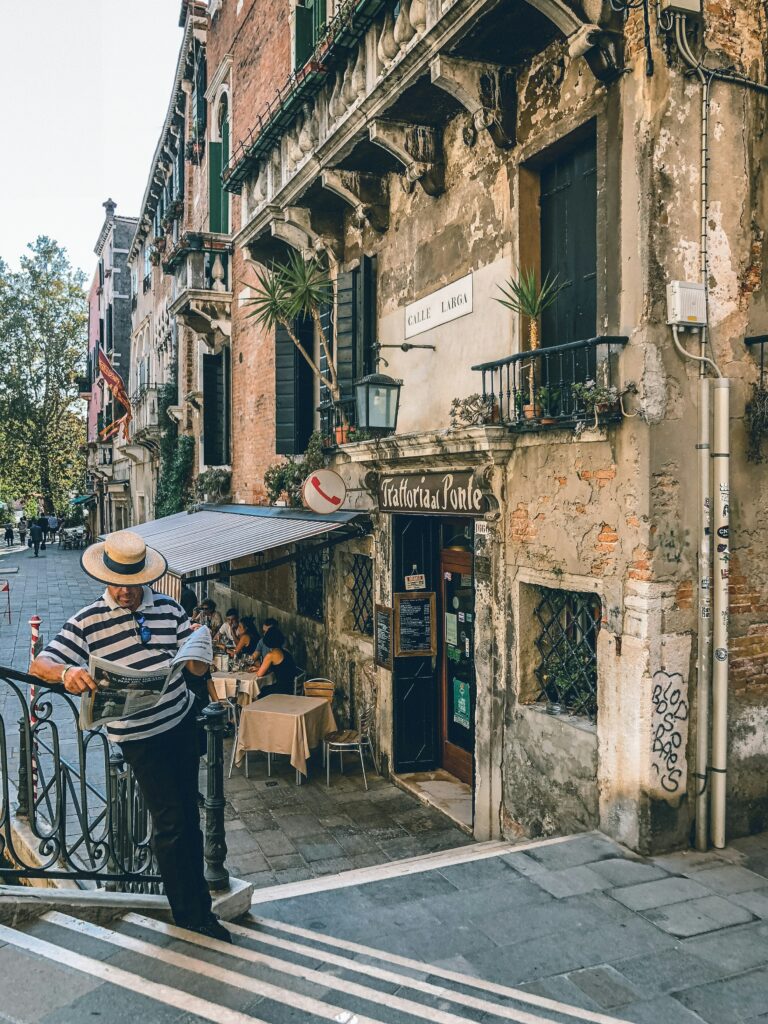
There’s a good plan you should know about: you can fly to Venice and then take a direct shuttle bus to Ljubljana (a 2-hour 45-minute bus journey).
This is an efficient and often very economical option, as there are many low-cost airlines serving Venice.
Travelling by train is often too long and too expensive (unless you’re very environmentally aware).
Flights from the UK to Venice
Venice is very easy to reach from the United Kingdom thanks to many direct flights. Most travellers arrive at Venice Marco Polo Airport, the main airport located about 20 minutes from the historic centre.
Direct flights from London
Several airlines offer direct flights from London to Venice:
- British Airways – flights from London Heathrow and London Gatwick
- easyJet – flights mainly from London Gatwick
- Ryanair – flights from London Stansted or London Luton
- Wizz Air – flights from London Luton
The flight takes about 2 hours to 2 hours 25 minutes.
There are more than 150 flights per week between London and Venice, depending on the season.
Flights from other UK cities
Direct flights to Venice are also available from several other British airports, especially during the tourist season:
- Manchester → Venice
- Birmingham → Venice
- Edinburgh → Venice
- Bristol → Venice
Low-cost airlines such as Ryanair and easyJet often operate these routes, especially in spring and summer.
Price and best time to book
Return tickets can sometimes be found for £40–£120 with low-cost airlines, especially outside peak season. The cheapest month to fly is often March, while summer weekends tend to be the most expensive.
How Much Does a Weekend in Ljubljana Cost?
For accommodation, allow around 120 euros per night for two people. It’s a bit expensive, but once you’re there, you won’t spend much.
- You can have lunch by the river for €13/14
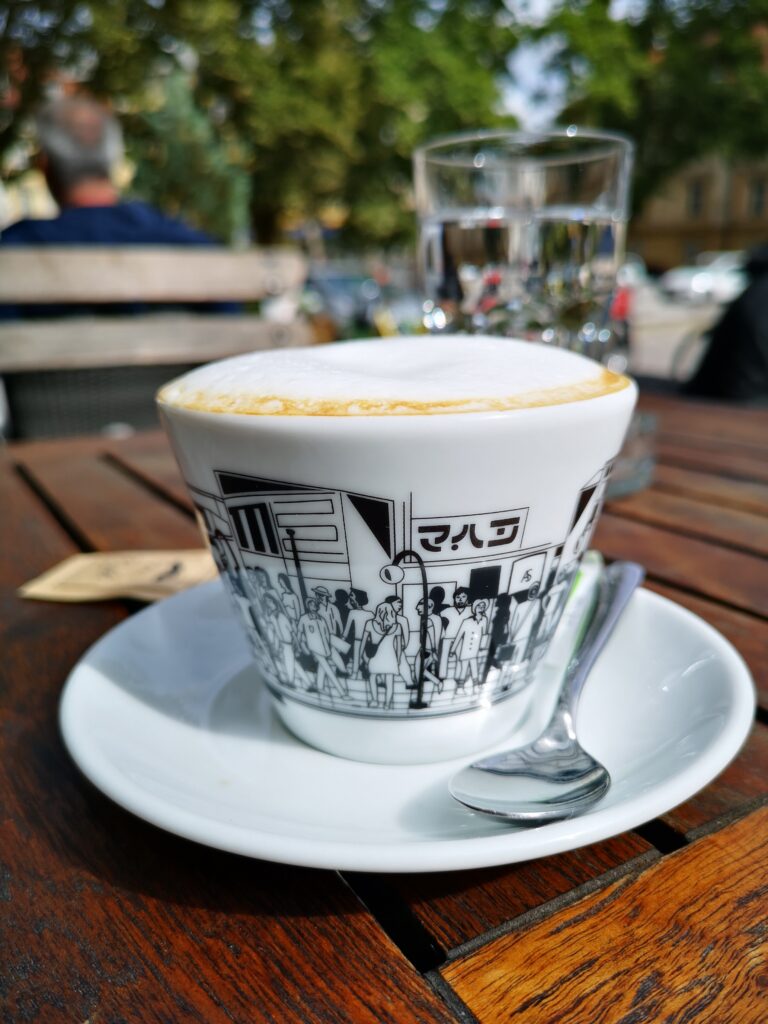
- cappuccinos on the terrace for €2.70
- pints of beer for €3.40
- ice creams on the terrace for €3.60.
Dinner: In the evening, pizza is a wise and economical choice (Italy is nearby and Slovenians know how to make very good pizzas).
In short, there are plenty of free things to do in Ljubljana, things that I still love after years here. Accommodation will therefore be your biggest expense. If you follow my tips in this article, a weekend in Ljubljana will cost you much less than in a capital city in Western Europe.
Is Ljubljana Easy to Visit if You Don’t Speak Slovenian?
It obviously depends on the season, but generally speaking, the weather is fine from April to mid-October. Don’t forget :
- Bermuda shorts or a skirt as well as a swimming costume, because in Ljubljana you can enjoy the beautiful swimming pools and thermal baths.
- You’ll need comfortable shoes for walking around the city.
- Sun cream and sunglasses for lounging on the terrace.
- Hiking boots if you’re going to the mountains.
- If the weather is forecast to be rainy, you can bring rain gear. It can rain hard in Slovenia, but it rarely lasts a whole day.
If you come to Ljubljana in winter, you’ll need :
- real warm gloves
- a hat and scarf
- a warm coat (I’ve got a big down jacket and it’s very useful).
- Add shoes with thick soles to insulate them from the cold.
- Also pack a swimming costume for the thermal baths.
Is it easy to visit Ljubljana if you don’t speak Slovenian?
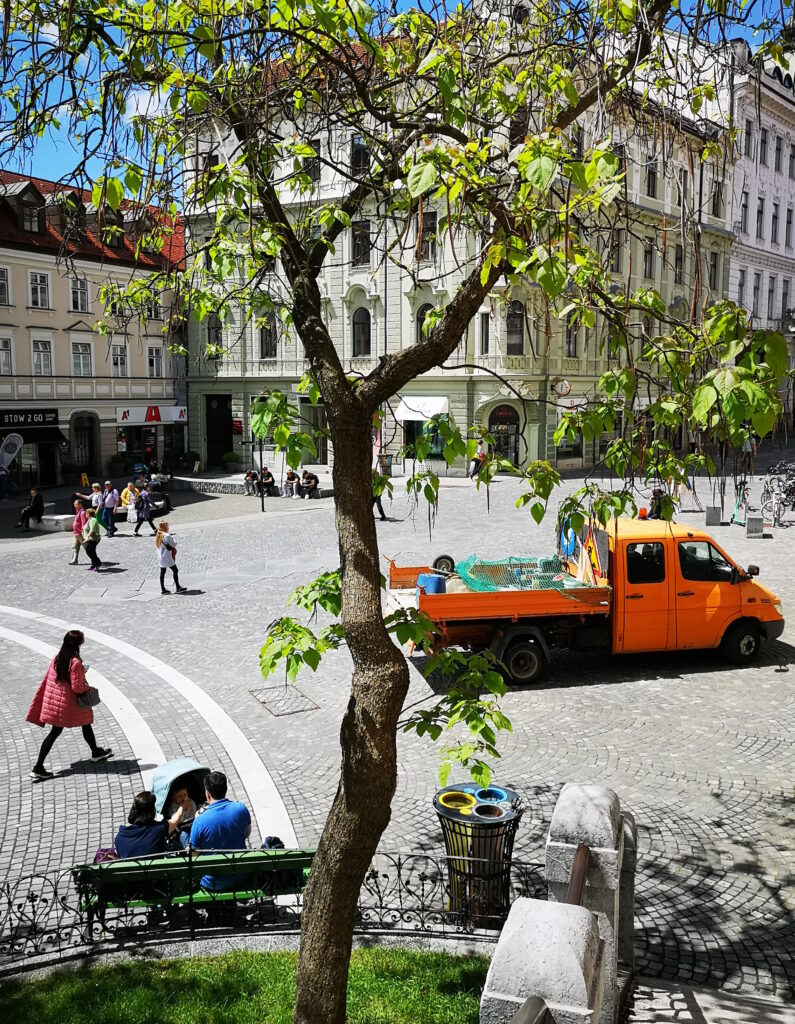
Well, unless you’re coming back to retrace your family’s steps, the chances of you speaking Slovene are almost nil, but fortunately all Slovenes know it and almost all speak perfect English. It’s a way for them not to remain isolated from the rest of the world.
If you want to order in a bar or restaurant, you’ll have no trouble at all.


Slovenians : They’ll love it if you mumble a few Slovenian words. Not many Slovenians speak French, so it’s not a language you often learn at school here.
Money in Slovenia: Cash or Card?
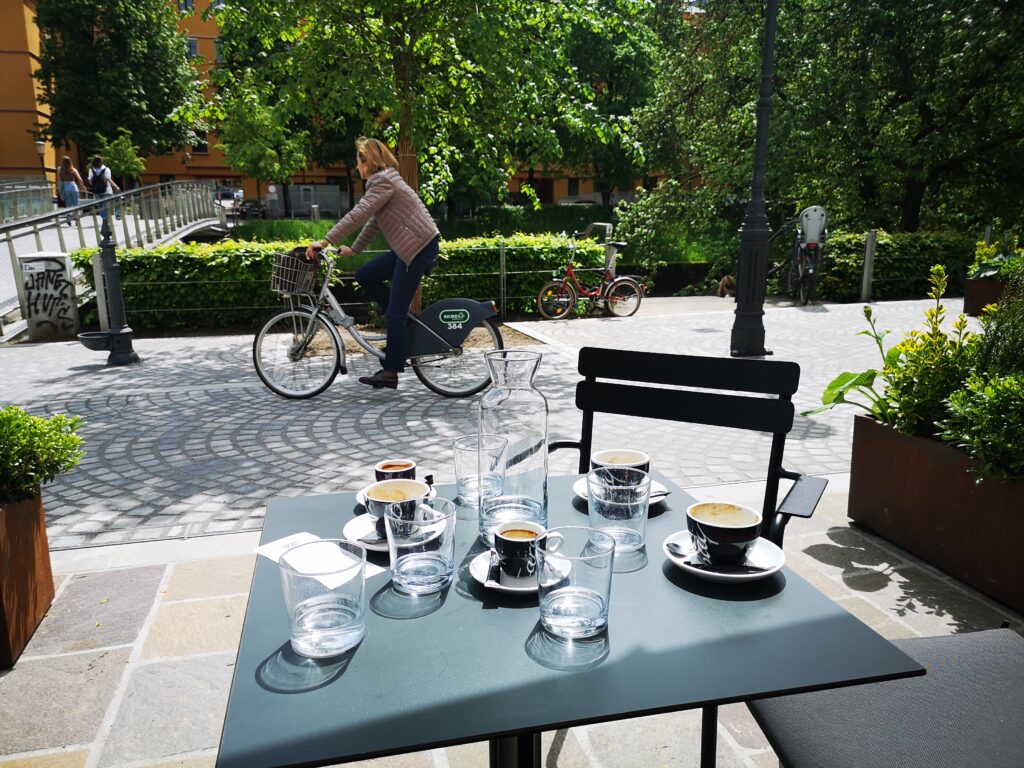
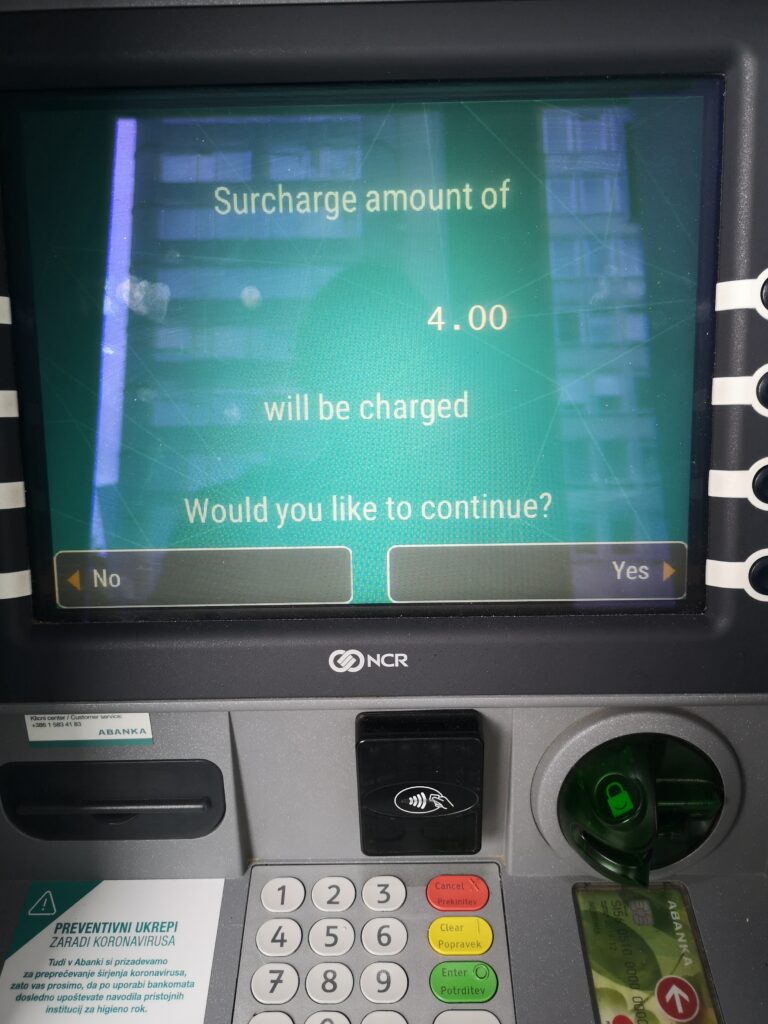
Slovenians switched from the tollar to the euro in 2007 , so you won’t have any problems spending money here. However, the cash dispensers of the NLB and Abanka banks charge €5 per withdrawal. Choose those of other banks. Try several ATMs.
Using a credit card: You will often be able to pay by card in Slovenia, even for small amounts, but not everywhere.
For a trouble-free trip to Slovenia, I recommend always having some cash with you.
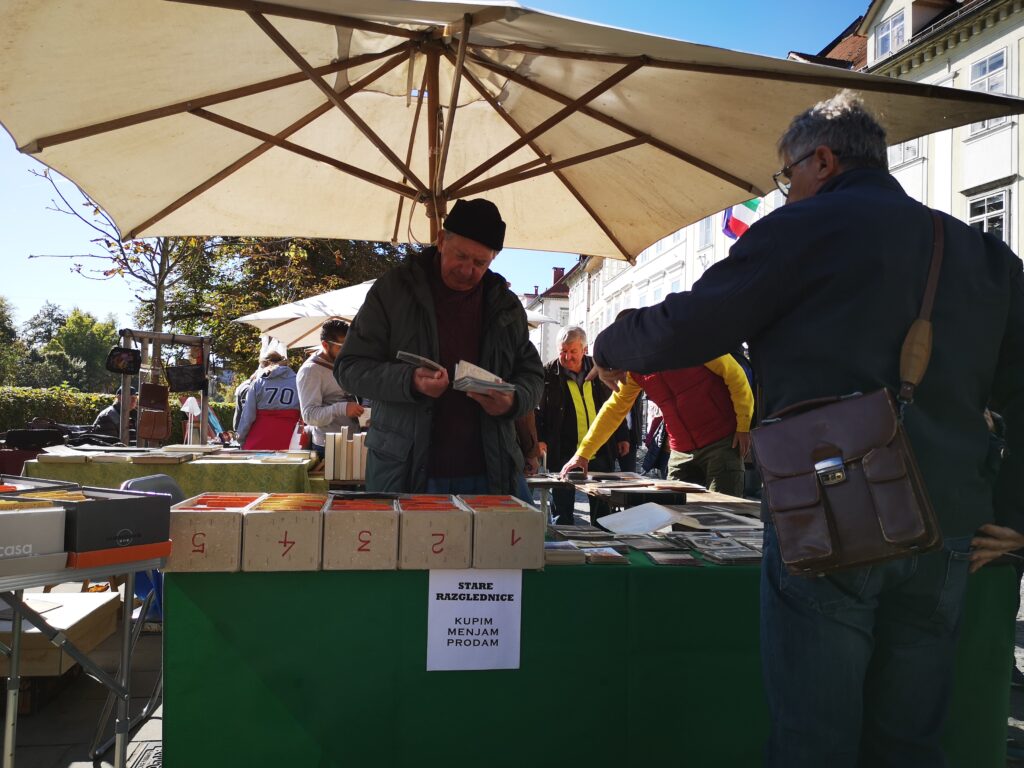
Tip: I always keep a €50 note in a corner, just in case, and I use it regularly. If you’re taking a bus to one of Slovenia’s attractions, you’ll often need cash, for example. So make sure you always have some cash with you on holiday.
How do I get to/from Ljubljana airport?
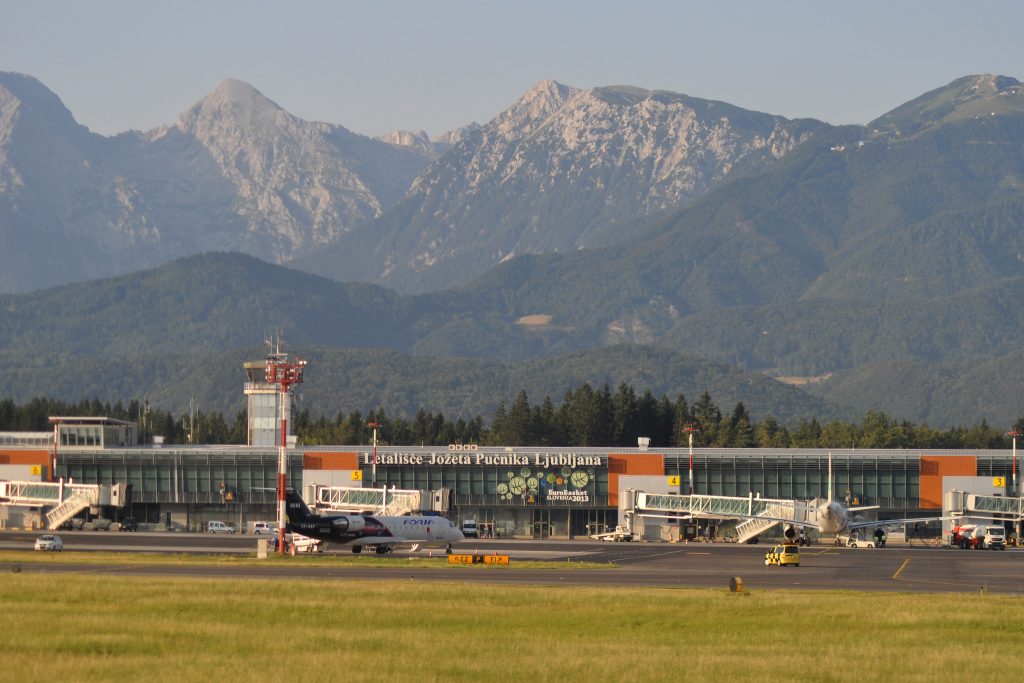
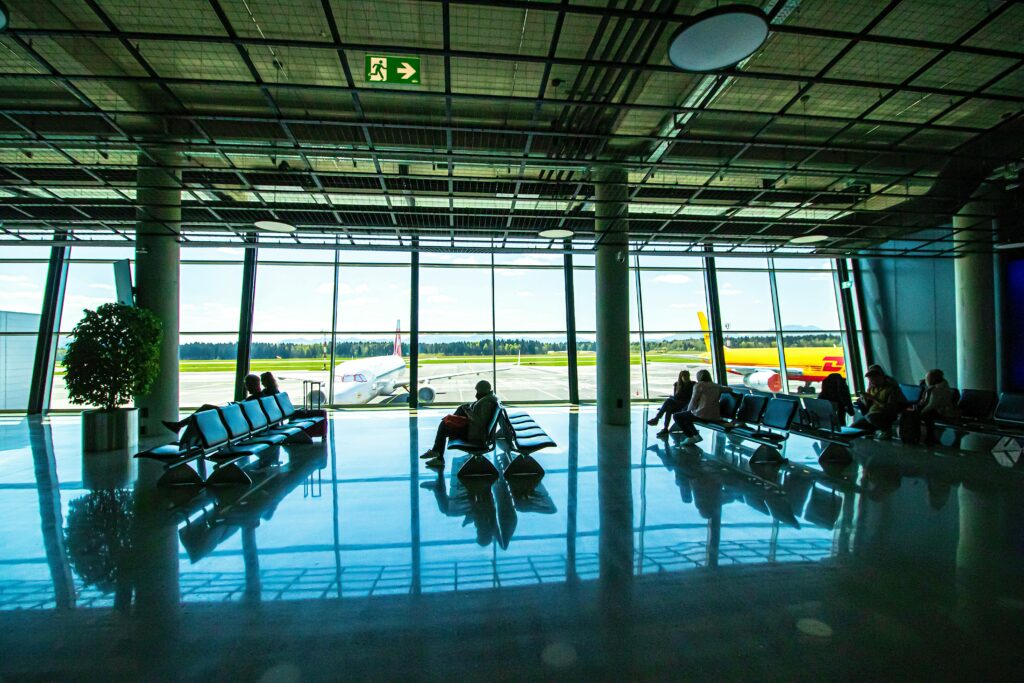
You can choose between mini-bus shuttles and the bus.
- The bus will take you to Ljubljana station in 30 minutes or 50 minutes (direct route via the motorway or through the villages).
- On the outward journey, I advise you to take the shuttle bus, which costs €12 per passenger and drops you off outside your accommodation. It’s very practical because you don’t have to look for your accommodation.
- I often take these shuttles or the bus to the airport.
Where to sleep in Ljubljana?
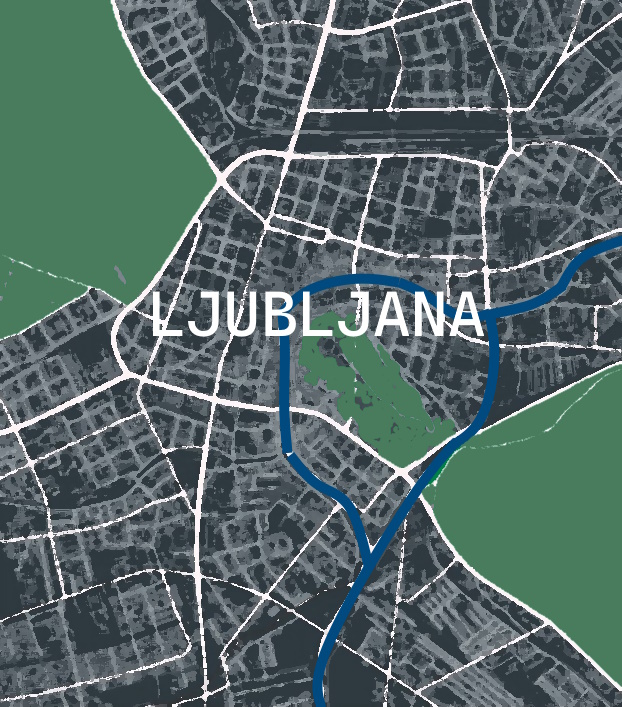
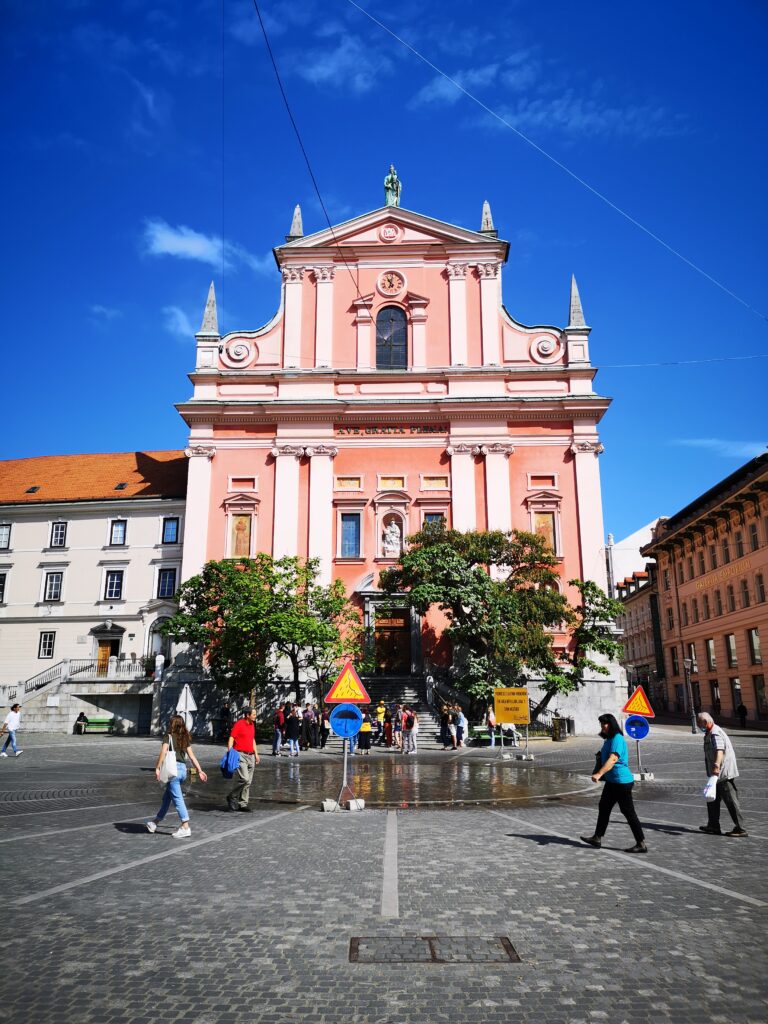
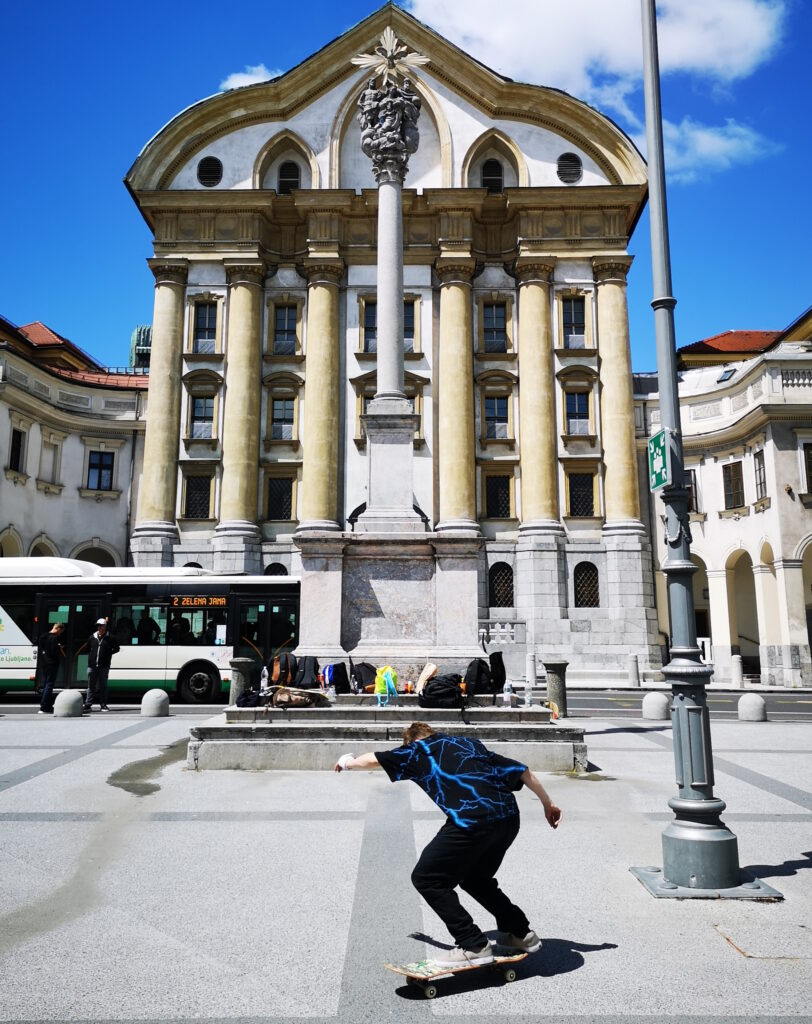
- You have to sleep in the city centre. It’s important.
- That’s where Ljubljana is pretty and that’s where everything happens. This is where I’ve chosen to live.
- Visiting Ljubljana is not exhausting like London, Paris, Rome or Madrid. In fact, it’s very relaxing. No noise, no long walks.
- What’s more, if you have your accommodation right in the centre, you’ll have a wonderfully relaxing and entertaining time.
- My Parisian friends who come to see me here always leave feeling relaxed and at peace. No doubt you will too.
What means of transport should I use to visit Ljubljana: bus, taxi, train?
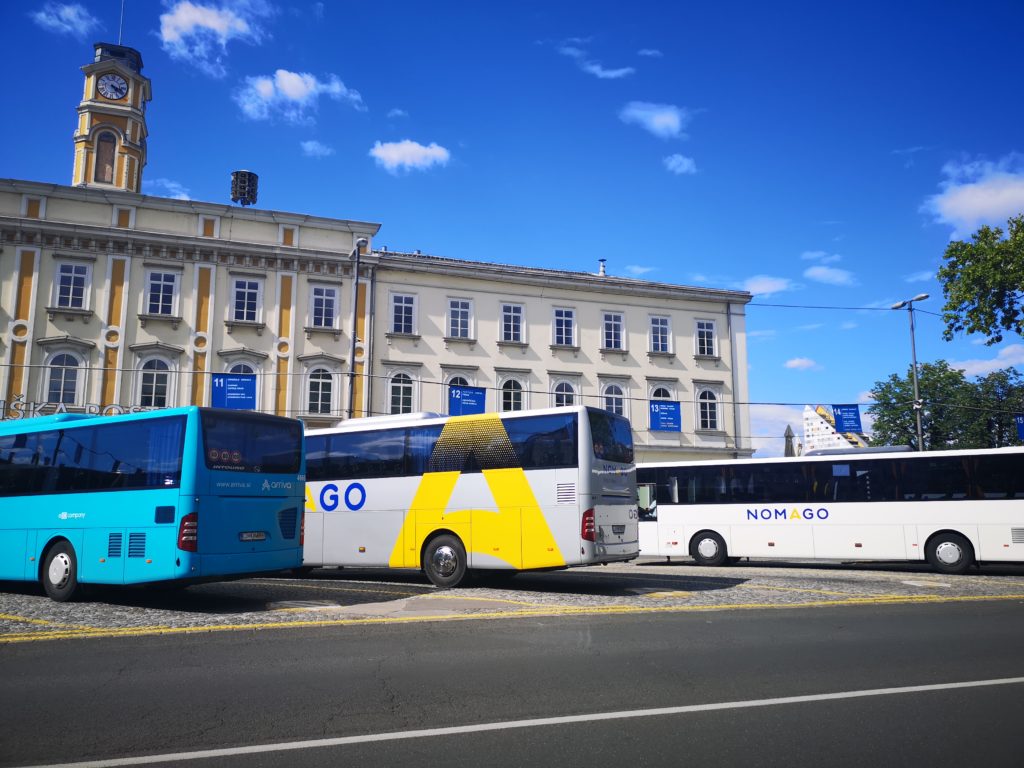
Ljubljana is small! You can do everything on foot. If you need to go further afield, take a taxi. They’re plentiful, always available and incredibly cheap. A trip in Ljubljana never costs more than 11 euros.
Be careful, though: you need to call the right companies or you’ll end up paying a lot.
My advice: take a taxi!
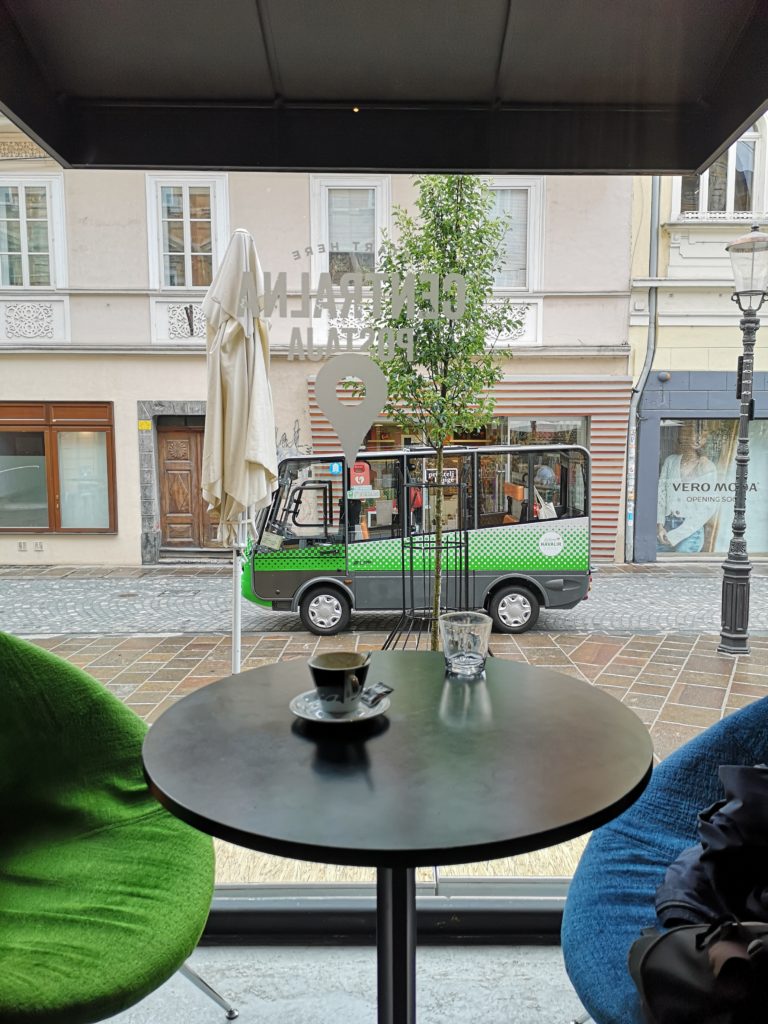
A good idea in the old centre: You can also call Kavalir, a brilliant electric taxi that will take you around the pedestrianised centre for free. Call it if it’s raining, if you’ve got big suitcases, if you have trouble walking or if you just want to experience it for yourself. It’s one of the most unusual things to do in Ljubljana.
Bad plan : Don’t take the fly boats on the Ljubljanica. At €14, they’re too expensive for what they’re worth. You can make the same journey on foot or, even better, by SUP or canoe.
What can you visit from Ljubljana?
From Ljubljana, you can get to lots of interesting places in less than an hour, including caves, hiking trails, lakes and the sea:
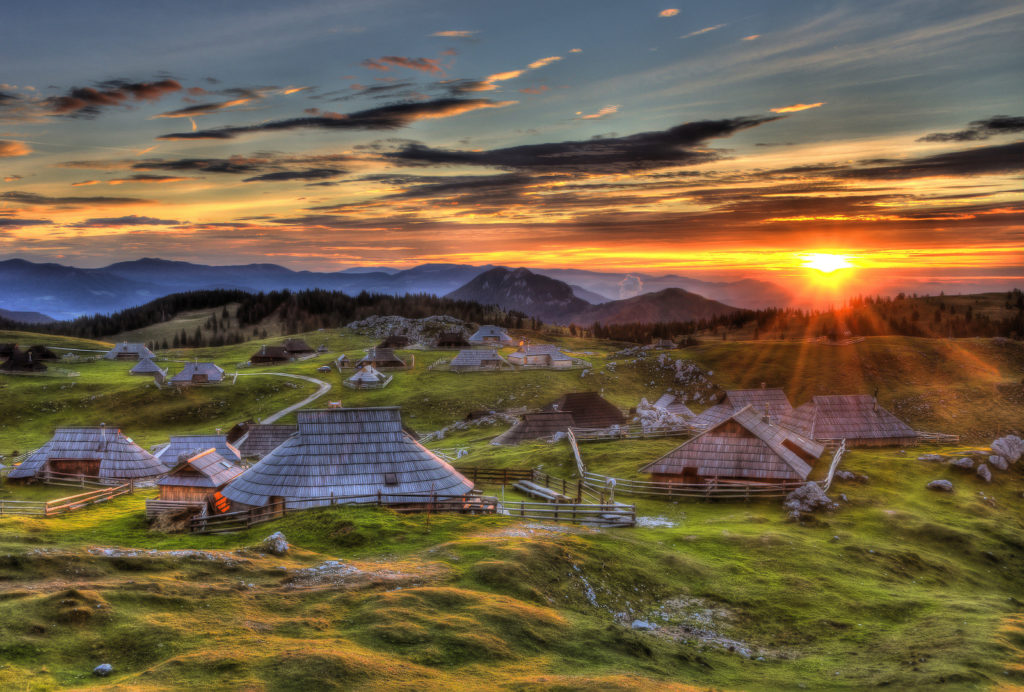
Velika Planina,
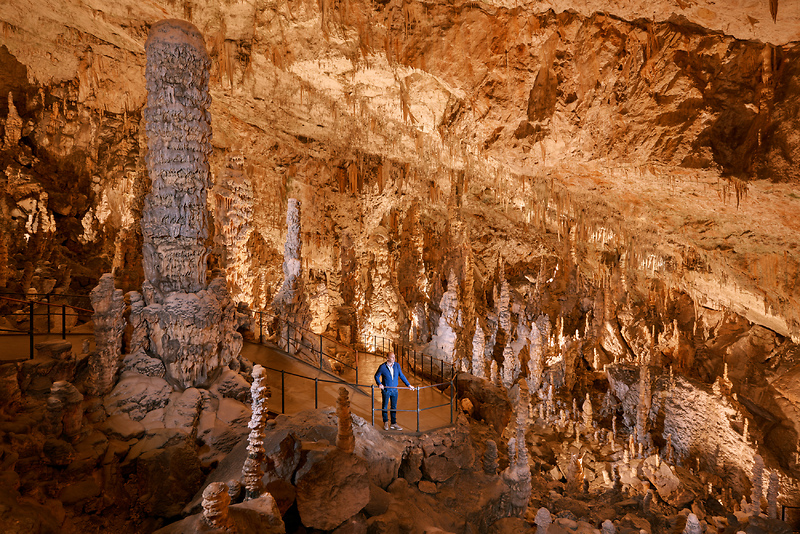
Postojna
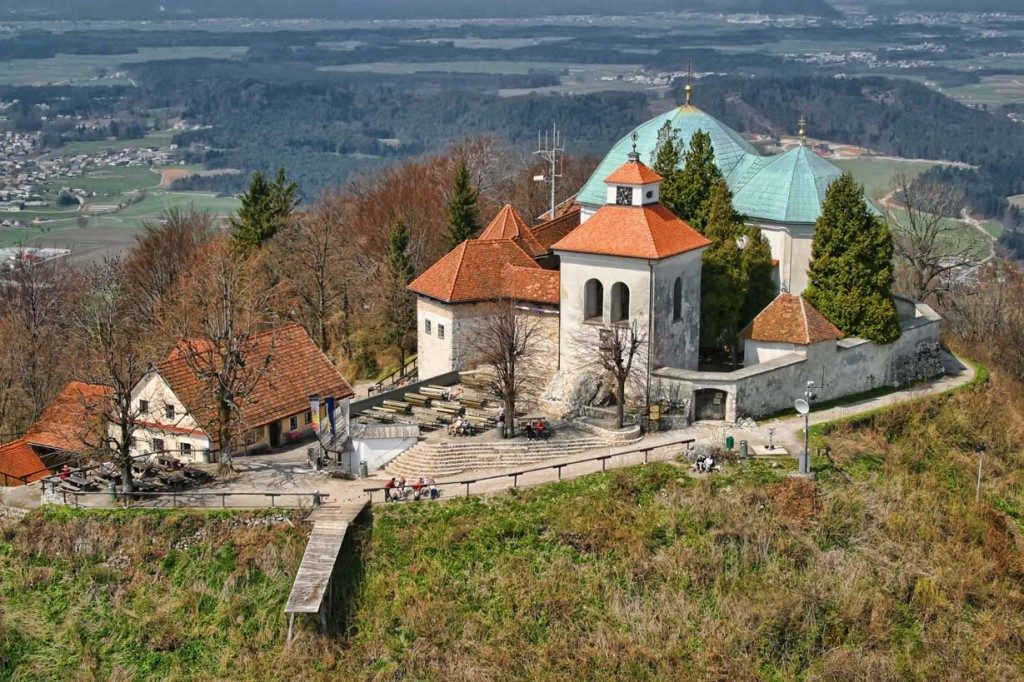
smarna gora
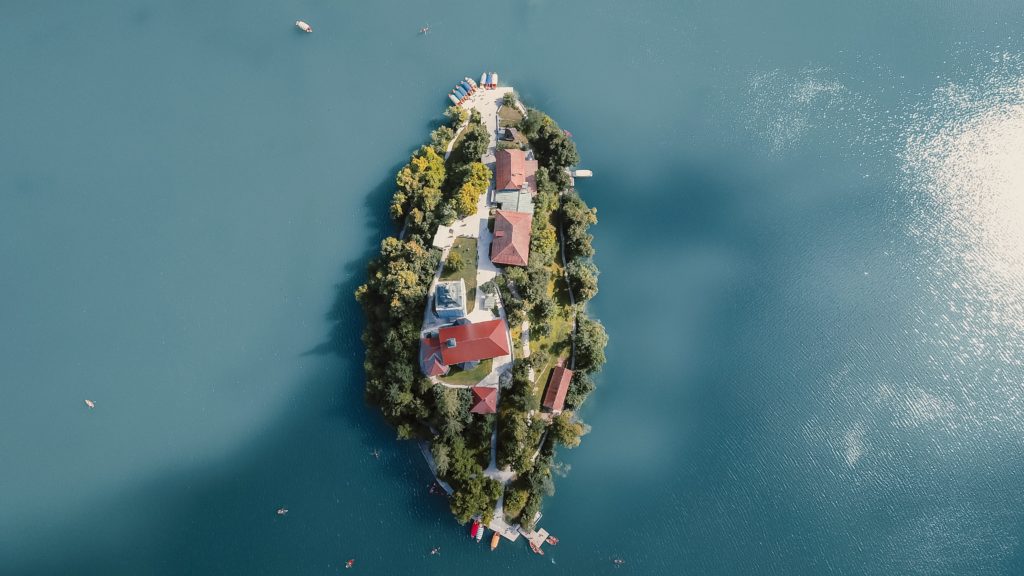
Lake Bled
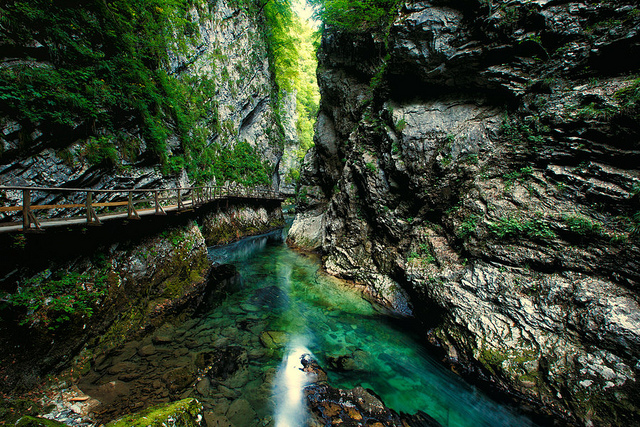
Vintgar Gorge
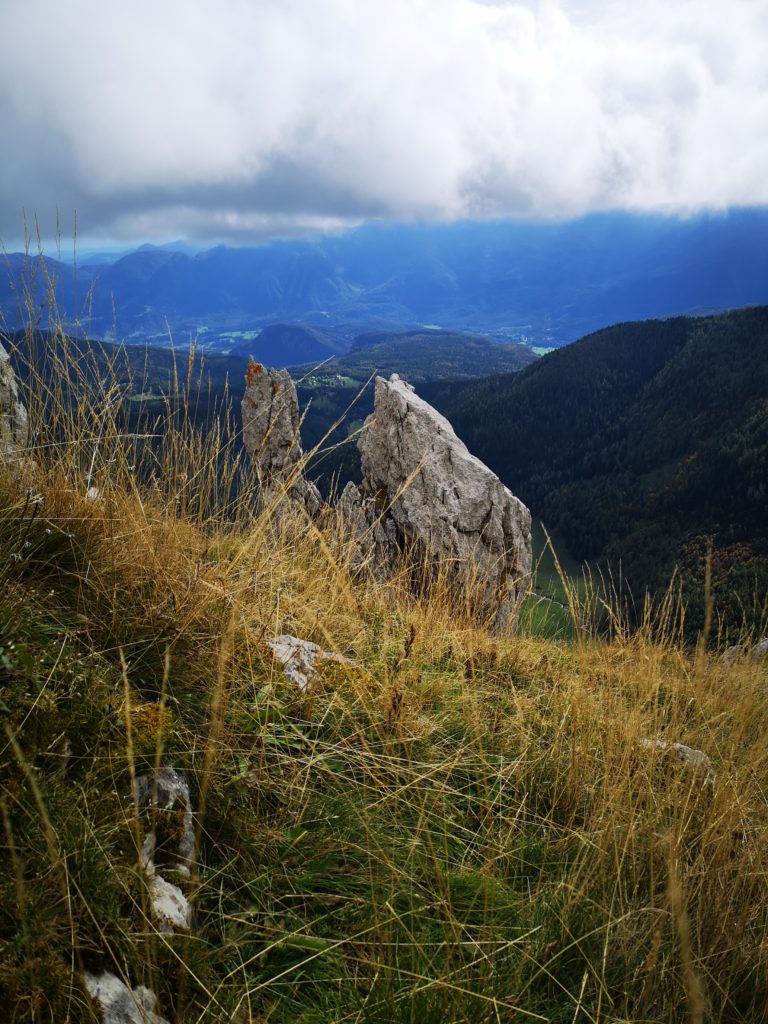
The Visevnik hike
Is Ljubljana a party town?
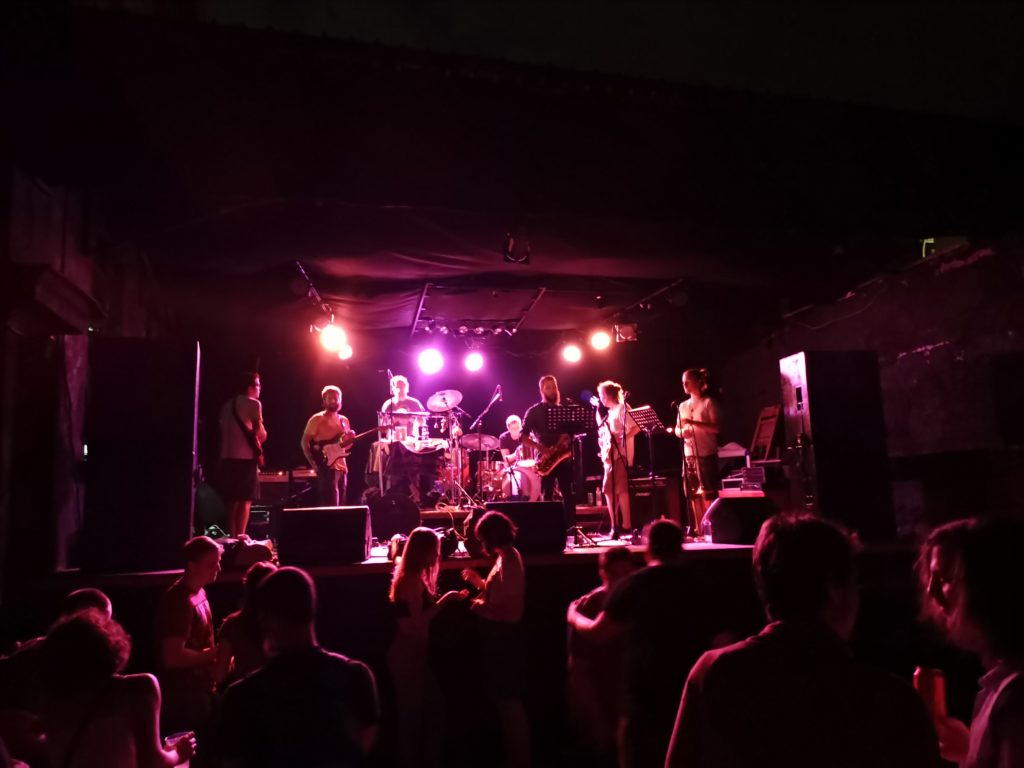
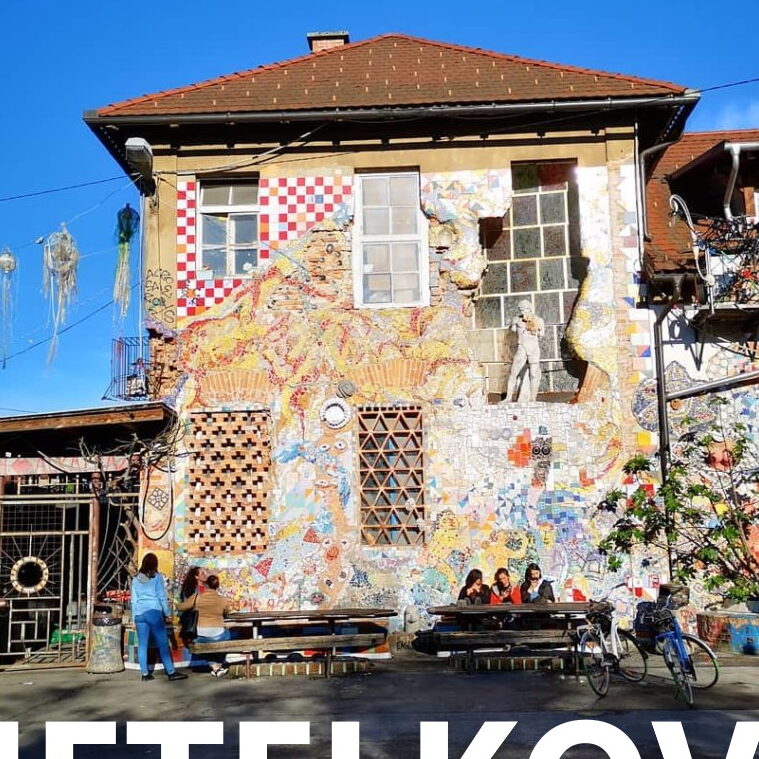
Ljubljana may not be Europe’s party capital, but on sunny days there’s a lively atmosphere by the river, with dozens of pleasant terraces where you can sip aperol spritz with friends and watch the time go by. Later in the evening, you can walk to the Metelkova squat and lose yourself there until the end of the night.
Ljubljana is certainly an interesting city from 8pm to 1am.
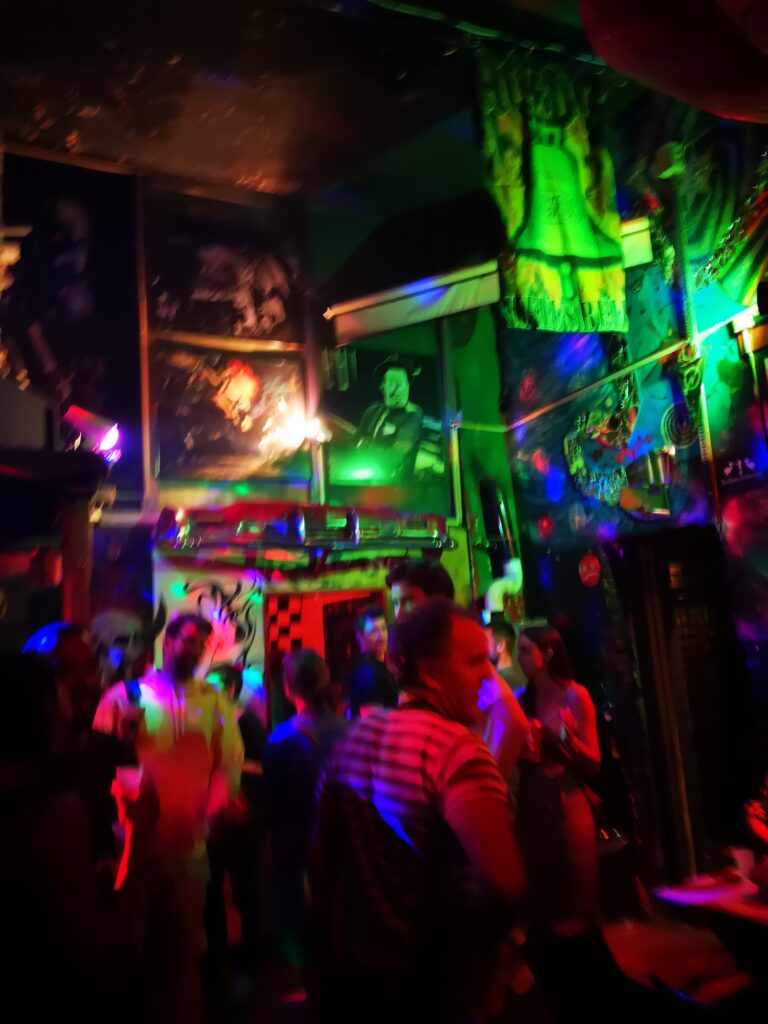
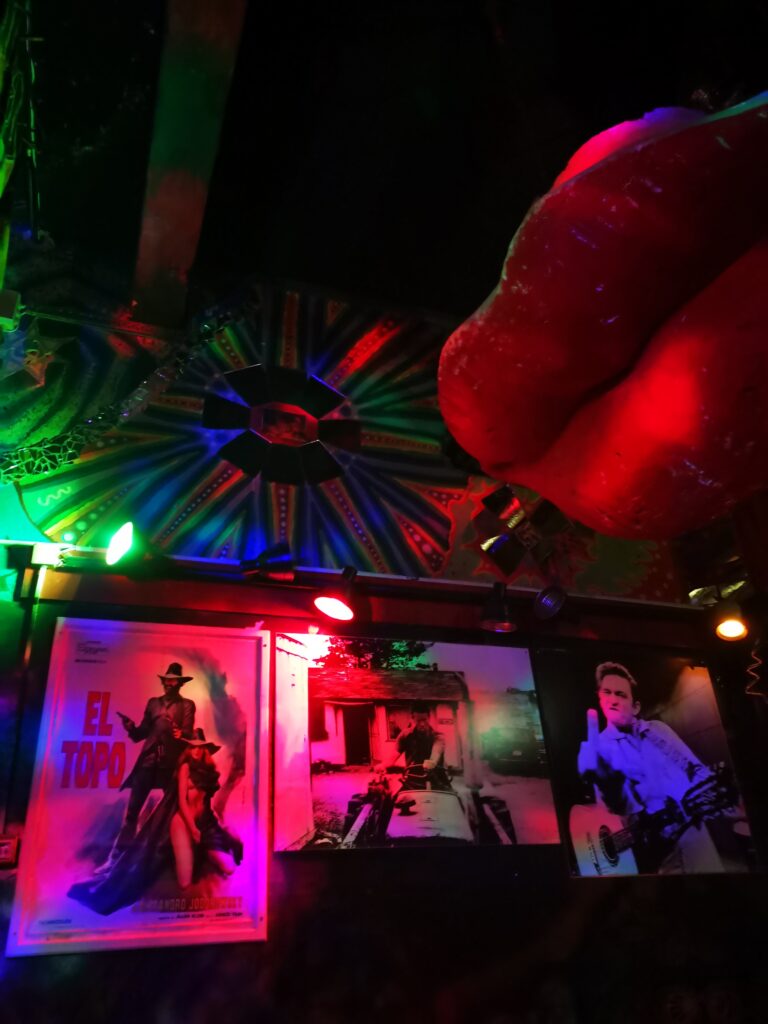
The “ wilddance party “part from 1am to 5am is often harder to pull off, except on Friday nights at Metelkova, a place that shouldn’t disappoint. There are also some fabulous festivals throughout the year, such as the Ment festival in March, which I never miss.
What should you read to prepare for your weekend in Ljubljana?
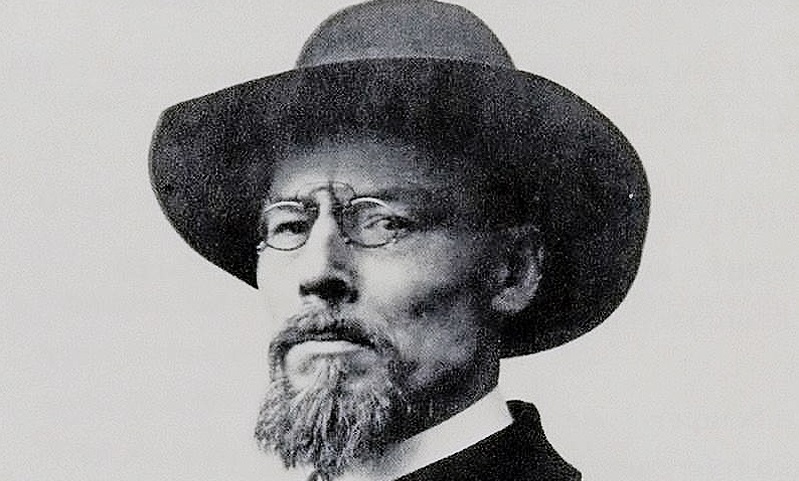
Before you leave, I’d advise you to find out more about the architect Plecnik. I can see from the website statistics that the article devoted to him doesn’t attract much interest. It’s a shame, because it’s largely thanks to this Slovenian architect ‘s brilliant vision of creating a pleasant city designed to meet basic human needs that you’re going to have a great time in Ljubljana.
French press: You might also like to read a few articles on the formidable green vision developed by the mayor of Ljubljana in recent years, which has won the city a number of awards.
As far as travel guides are concerned, you’ve got everything on the site and you don’t need to invest your money in Cartoville Ljubljana or Lonely Planet Slovenia. Save that €15 or €20 for a treat along the river.
If you want to read a novel set in Ljubljana, read Paulo Cohelo’s Veronica Decides to Die.
What are the must-try Slovenian culinary specialities?
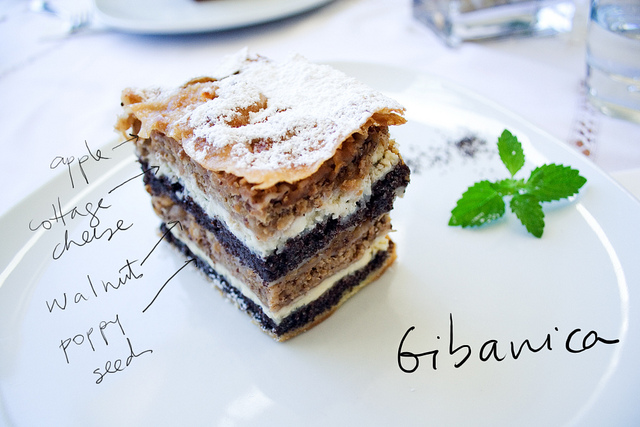
Ideally, you should try them in Slovenian refuges or in restaurants in the countryside. You have to try strukli, jota, zganci… in short, all the dishes you’ll find in Slovenian refuges.
Just outside Ljubljana: You can climb to Smarna Gora and get a good idea at the restaurant on the summit. You’ll also want to try the Kremsnita dessert from Lake Bled.
Balkan cuisine: You can also try Balkan specialities such as the famous cevapcici. I’d advise you to go to Das Ist Valter, an inexpensive place for a great experience.
How long should I allow to visit Ljubljana?
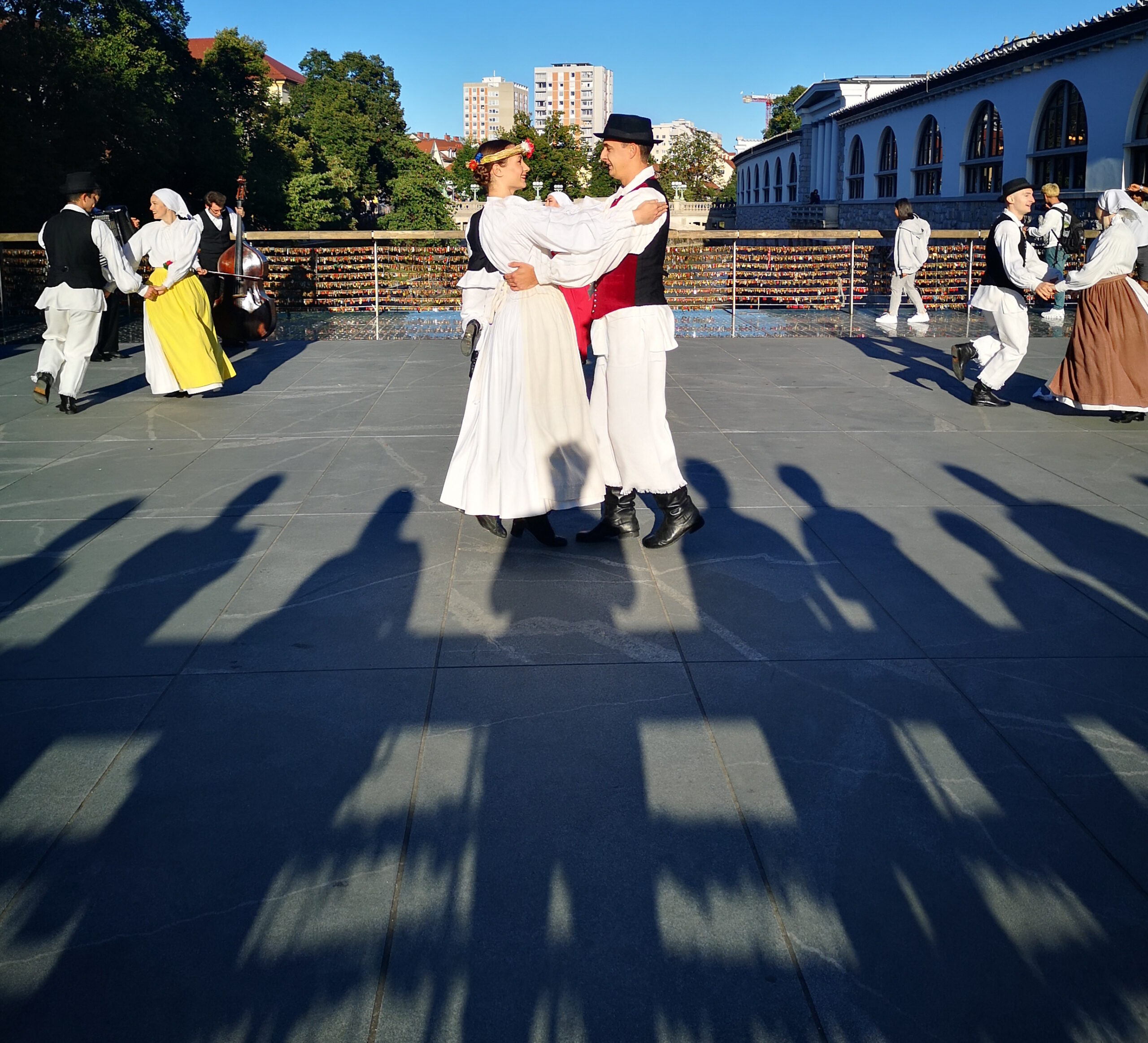
At least 3 days! The capital is small but there’s plenty to do here, including some great cycling, mountain biking and canoeing. Ljubljana is also a great base camp for visiting Slovenia’s spectacular caves, the Julian Alps, the lakes or the sea.
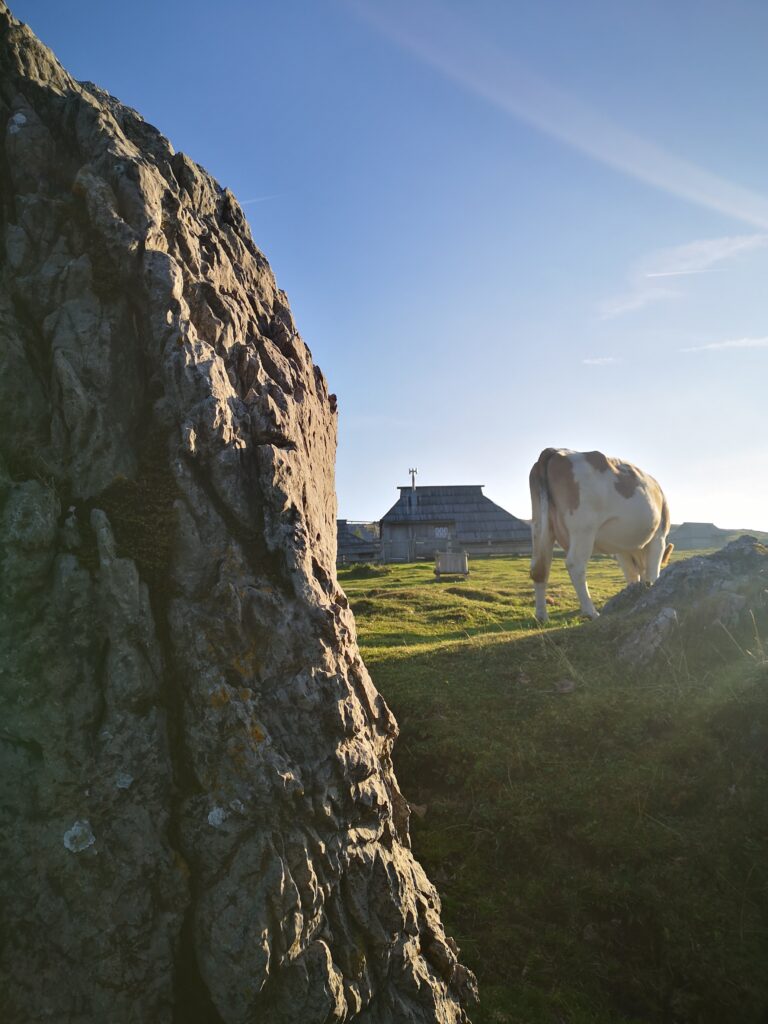
From the Slovenian capital, you can reach many of Slovenia’s most beautiful attractions in less than an hour. So you can come for two or three days for a first taste, but you’ll find it too short and you’ll definitely want to come back.
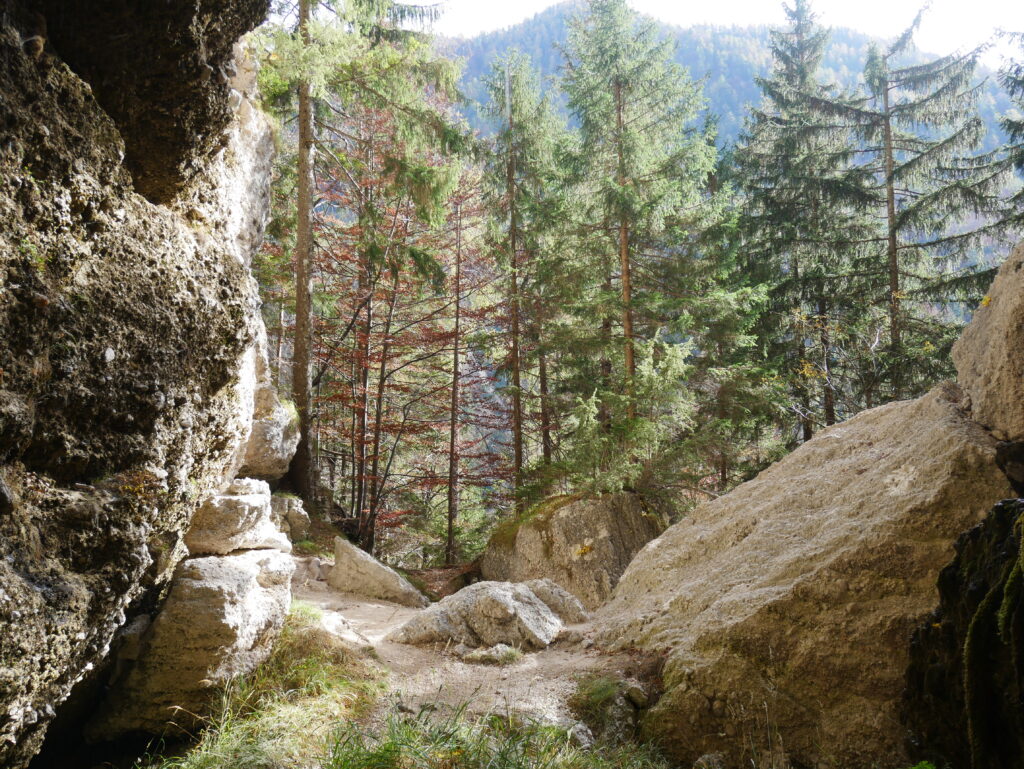
Ideally, come for a fortnight so that you can explore all the facets of Slovenia. You’ll have a great time.
What to Do in Ljubljana in 2 Days
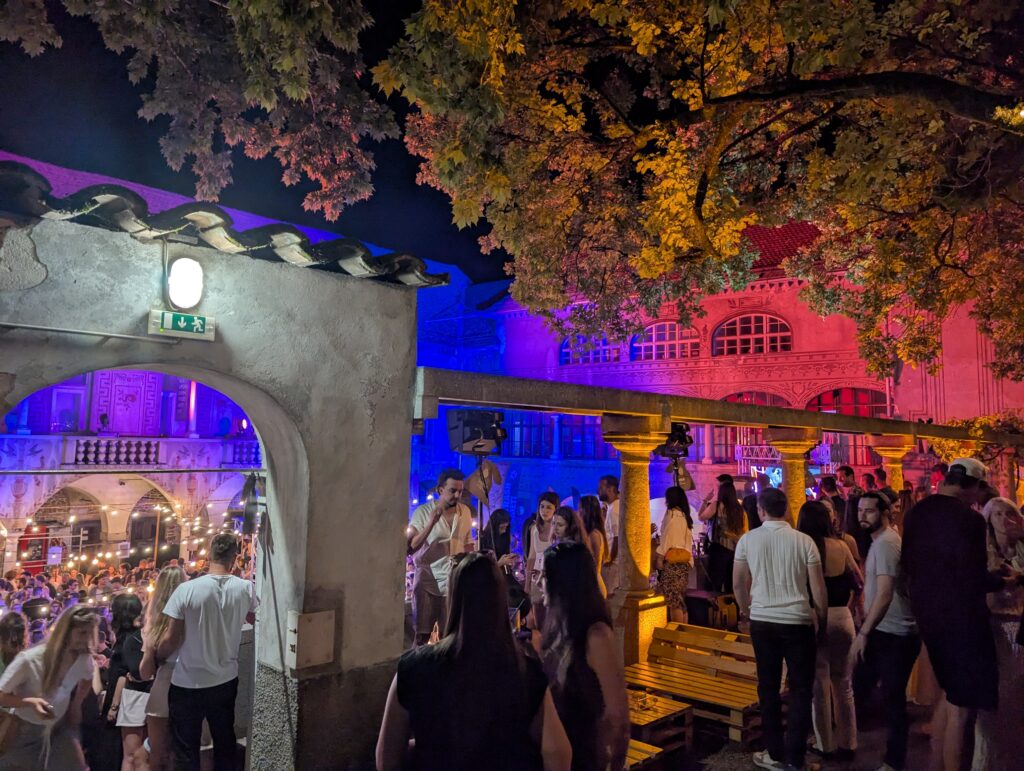
Two days are enough to enjoy the relaxed rhythm of Ljubljana and discover its most beautiful places without rushing. Start in the historic centre, around the main square, and walk along the Ljubljanica river. The embankments are lined with terraces where locals spend hours talking over coffee or a cold beer. Cross the elegant bridges designed by Jože Plečnik and take time to notice the details of his architecture throughout the city.
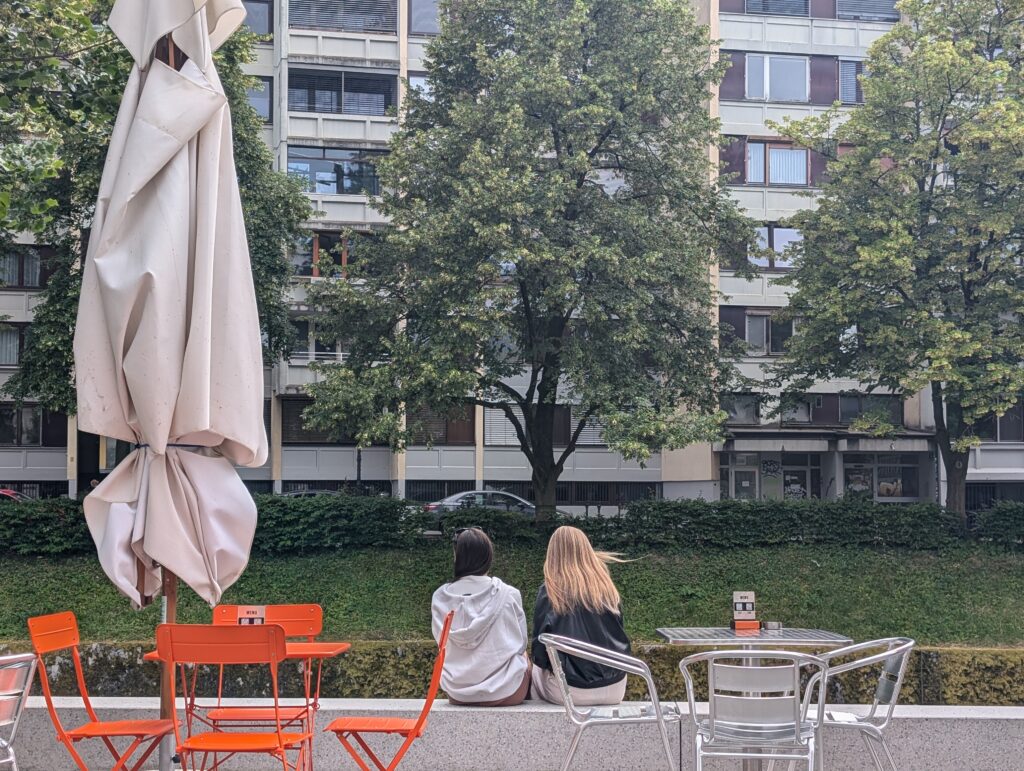
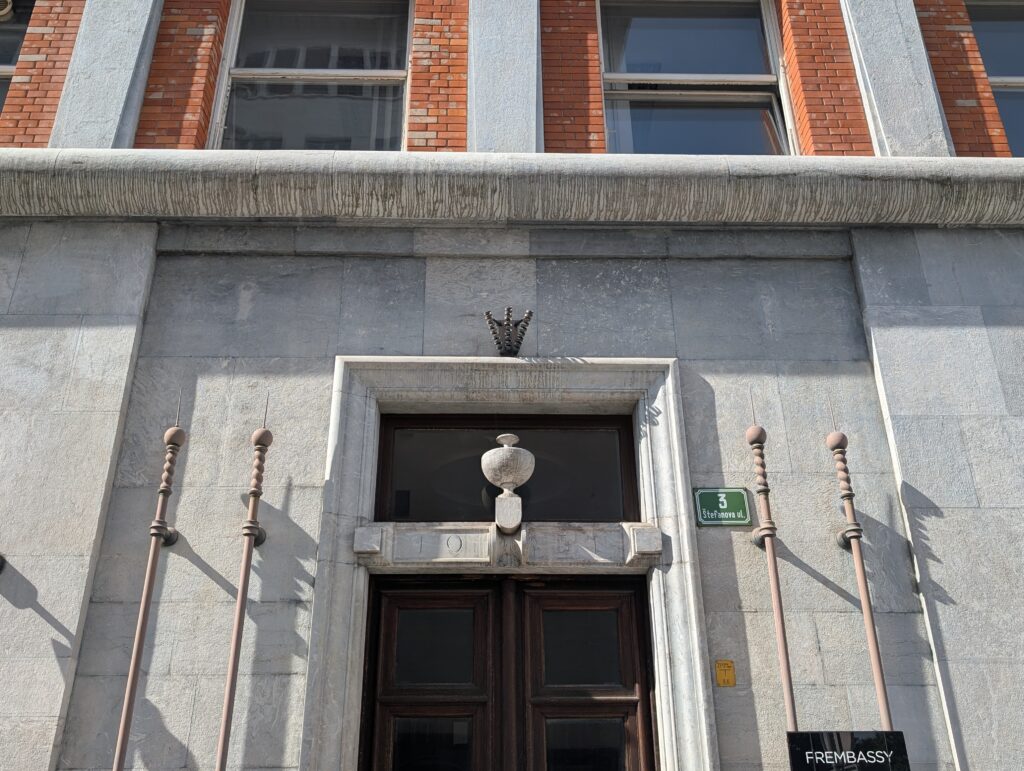
A good first stop is the Nebotičnik skyscraper, where you can take the elevator to the top-floor café for one of the best views over the red roofs of Ljubljana and the Alps in the distance. From there, walk down to the central market, one of the liveliest places in the city, designed by Plečnik along the river. It’s perfect for tasting local products and understanding how Ljubljana really lives during the day.
Continue your walk along the riverbanks and explore the small streets of the old town. Many visitors rush up to Ljubljana Castle, but unless you really want the view, it’s not essential. Ljubljana is better enjoyed slowly at street level: wandering between bridges, terraces and small squares. Spend some time at the Narodna Galerija, Slovenia’s main art museum, which gives a good introduction to the country’s painters and culture.
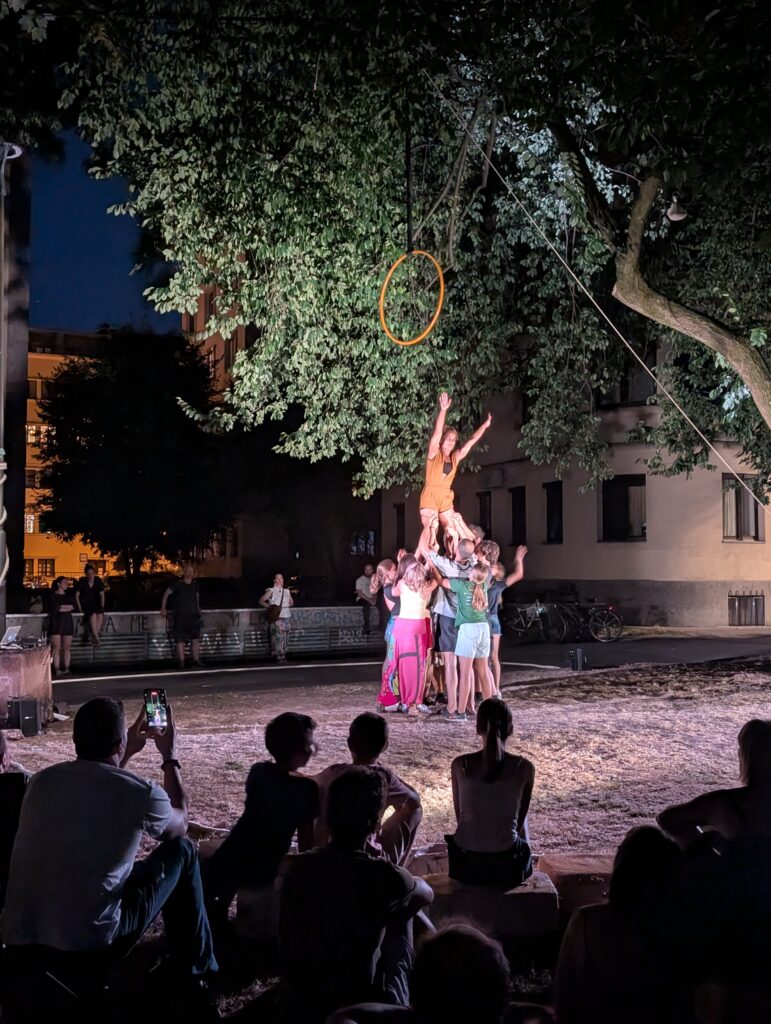
If the weather is nice, rent a canoe or join a short canoe trip on the Ljubljanica. Seeing the city from the water is one of the most pleasant ways to experience Ljubljana. Later in the afternoon, walk south toward Krakovo, a tiny historic neighbourhood that still feels like a village inside the capital. Nearby, Eipprova ulica is a charming street with cafés and relaxed terraces popular with locals.
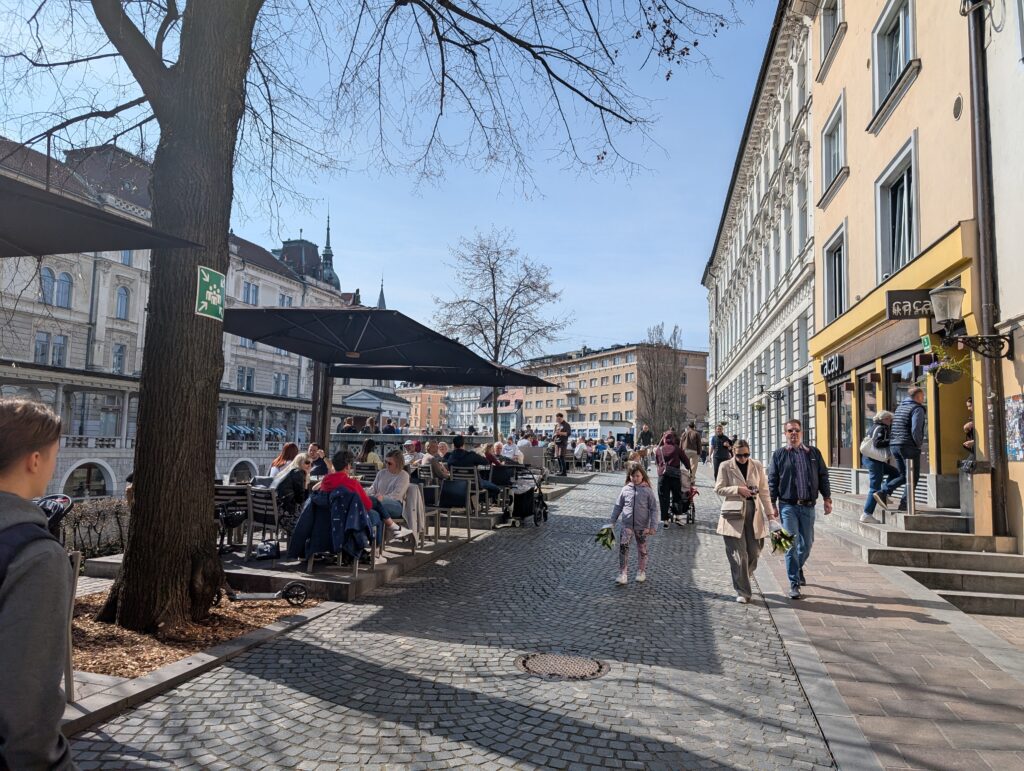
In the evening, keep things simple: a Neapolitan pizza, a couple of fresh beers on a terrace, and maybe a small ice cream cone eaten while walking through the streets. Ljubljana is not a city you visit by ticking monuments off a list — it’s a place you enjoy slowly, sitting outside and watching the city go by.
What to Do in Ljubljana in 3 Days
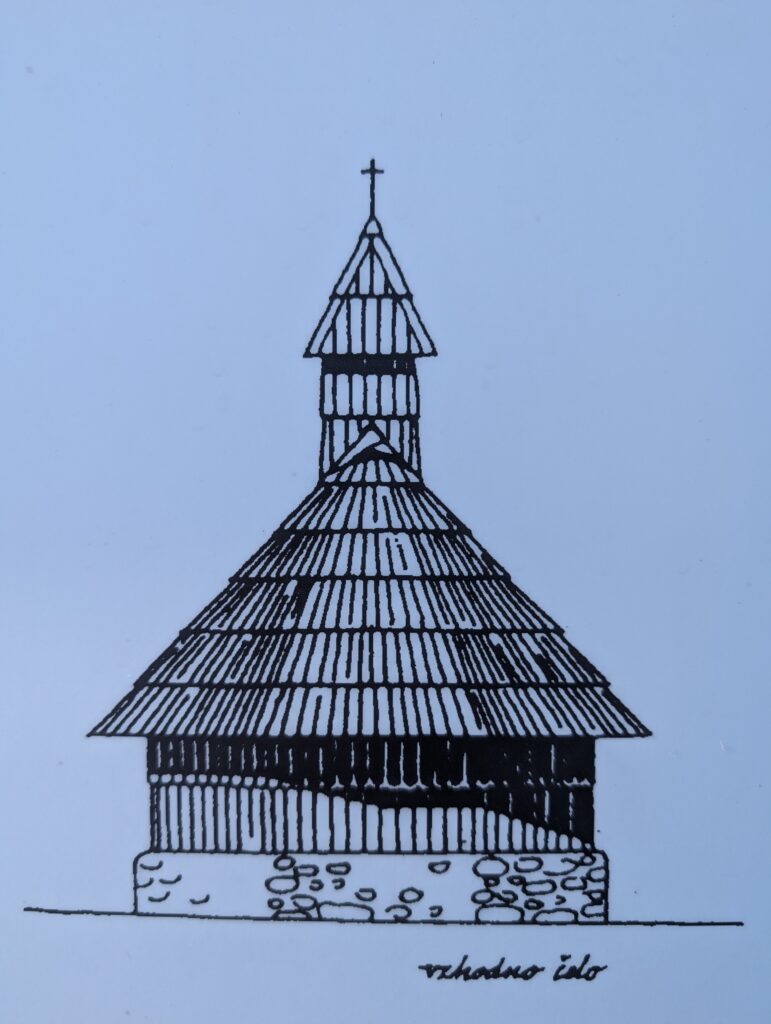
If you have a third day in Ljubljana, it’s worth leaving the city for a few hours to discover the alpine landscapes that make Slovenia so special. One of the most memorable day trips is Velika Planina, a high mountain plateau about an hour from the capital.
Velika Planina is famous for its traditional wooden shepherd huts scattered across wide alpine pastures. In summer, cows graze freely and the atmosphere feels peaceful and timeless. After parking near the cable car station, you take a short cable car ride followed by a chairlift or a walk to reach the plateau. From there, several easy trails lead across the pastures between the huts.
Walking on Velika Planina is simple and incredibly scenic. You move from one small shepherd settlement to another, with constant views of the Kamnik-Savinja Alps. Stop at one of the mountain huts to taste local shepherd dishes such as sour milk or a simple alpine meal.
The visit usually takes a full day, depending on how much you walk. Many travellers leave Ljubljana in the morning and return in the late afternoon, which still leaves time to enjoy the city again in the evening.
Back in Ljubljana, finish the day the local way: a relaxed drink on a terrace along the Ljubljanica, watching the lights come on along the river.
What to Do in Ljubljana in 4 Days
If you have a fourth day, it’s the perfect opportunity to visit one of Slovenia’s most famous natural sites. From Ljubljana, two classic day trips are particularly easy: Postojna Cave or Lake Bled with Vintgar Gorge.
The first option is Postojna Cave, about 50 minutes from Ljubljana. This immense karst cave system is one of the largest and most spectacular in Europe. The visit begins with a small underground train that takes you deep into the cave before continuing on foot through vast chambers filled with stalactites and stalagmites.
Nearby, you can also stop at Predjama Castle, an impressive fortress built directly into the cliff above a cave.
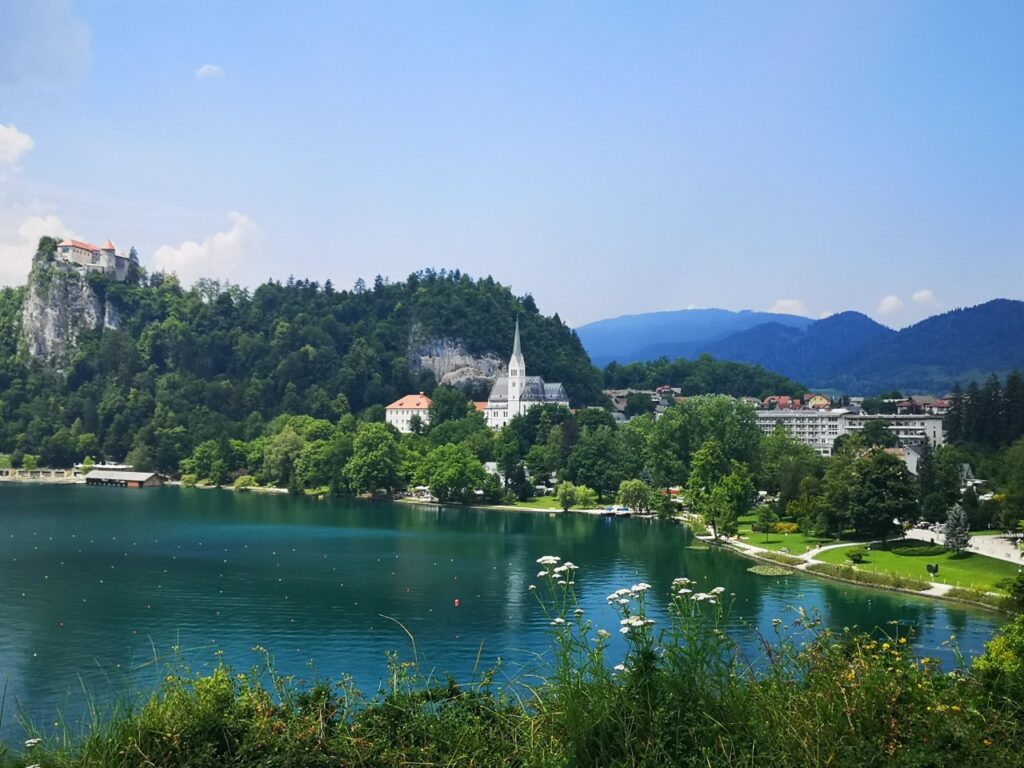
The second option is a trip to Lake Bled, Slovenia’s most famous alpine lake. The setting is extraordinary: a small island with a church in the middle of the lake, surrounded by mountains and overlooked by a medieval castle. Walk around part of the lake, take a traditional wooden pletna boat to the island, or simply enjoy the view from one of the lakeside cafés.
If you choose Bled, it’s also worth visiting the nearby Vintgar Gorge, about 10 minutes away. A wooden walkway follows the turquoise Radovna river through a narrow canyon, with small waterfalls and clear pools along the way. The walk is easy and takes about one to two hours.
Both excursions can easily be done as a day trip from Ljubljana, returning to the city in the evening for a final dinner along the Ljubljanica river.